
Digital Soil pH Meter with App, Waterproof PH Tester Hydroponics, Garden, Pool, Aquarium, Wine, 0-14 Range, ATC, Backlight
4.2Editor score
Connects to mobile app
ATC ensures accuracy
Conical steel probe protection
This guide compares the top ten Bluetooth soil pH meters for gardeners and farmers. Find the right device for accurate real-time soil monitoring and plant care.
Modern gardening demands precision tools that deliver actionable insights. Bluetooth soil pH meters provide real-time data on soil health, enabling growers to optimize conditions for thriving plants. These devices connect to smartphones, offering detailed analytics and historical tracking.
We evaluated ten leading models based on accuracy, connectivity, and durability. Each product was assessed for ease of use, sensor quality, and app functionality. Our comparison covers diverse needs from home gardening to professional agricultural applications.
Each pick highlights specific strengths and ideal use cases for different gardeners. Prices fluctuate frequently so verify current listings before purchasing. We include detailed reviews to help you choose the right tool for your unique growing environment.
4.2Editor score

4.4Editor score

4.0Editor score
The following table provides a quick side-by-side overview of all ten selected devices. Compare key specifications such as measurement parameters, connectivity options, and build materials to find the model that fits your requirements.

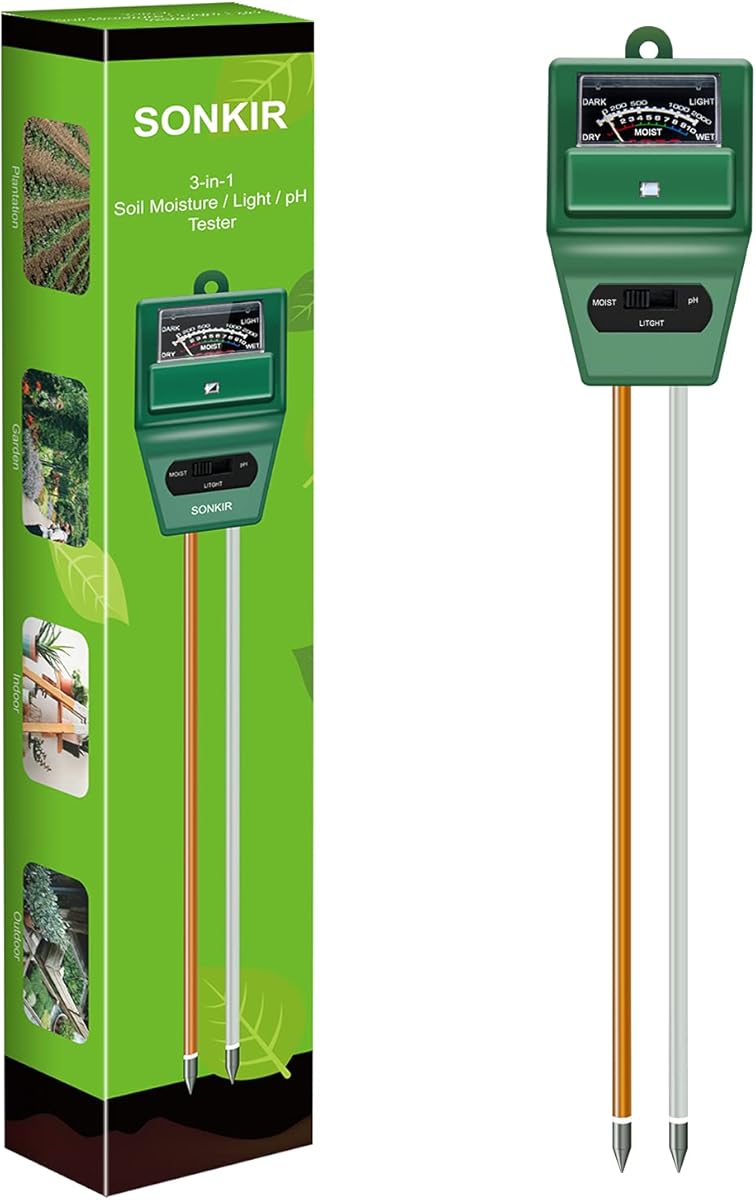




This 7-in-1 digital soil tester stands out as our top choice for comprehensive plant care. With a strong rating of 4.4, it delivers accurate readings for moisture, pH, temperature, and more. The integrated light sensor and fertility functions make it a versatile tool for both novice and experienced gardeners.
We may earn a commission when you buy through this link, at no additional cost to you.
Its standout feature is the combination of speed and accuracy thanks to advanced 2025 probe technology. The large LCD screen with white backlight ensures readability in any lighting condition. Simply insert the probe ten centimeters into the soil wait ten seconds for precise data. The device helps you determine optimal watering times and control acidity effectively.
While it offers exceptional value, users should note the battery requirement which may add to long-term costs. Additionally the probe requires care to avoid damage in hard soil. These trade-offs are minor compared to the rich data provided. The device is durable enough for outdoor beds and indoor pots alike.
Ideal for those seeking a single device that covers all soil health basics, this meter simplifies decision-making. Its intuitive design ensures even beginners can interpret the data without confusion. We recommend it for anyone wanting scientific-based care without complex setups.
Beyond pH it measures moisture, temperature, light intensity, EC, and TDS. This holistic view helps you adjust multiple environmental factors at once.
The white LCD backlight makes reading values easy even in dark greenhouses or evening checks. Symbols are intuitive so interpretation is straightforward.
We may earn a commission when you buy through this link, at no additional cost to you.
For budget-conscious gardeners needing reliable pH data, this digital meter delivers exceptional value. While priced lower than most, it includes essential features like Bluetooth app connectivity and automatic temperature compensation. It is perfect for hydroponics, aquariums, and garden liquids.
We may earn a commission when you buy through this link, at no additional cost to you.
The main strength lies in its ability to connect to a smartphone for automatic data logging. This allows you to track pH levels over time without manual notes. The conical steel probe protects the electrode from dirt and ensures durability in liquid environments. The backlight aids reading in dim conditions.
However, this device is intended for liquids not direct soil insertion. Attempting to use it in hard or dry soil may damage the probe. Users should water the soil first or test extracted samples. This limitation makes it less versatile for general soil moisture checks.
Choose this meter if your focus is primarily on liquid pH in hydroponic or aquatic setups. The low cost makes it accessible for testing multiple sites. It balances basic functionality with smart app features at an unbeatable price.
Connect via Bluetooth to store pH data directly on your phone. View historical trends and set reminders for testing intervals.
The conical steel design shields the sensitive electrode. This prevents accidental damage during storage or transport.
We may earn a commission when you buy through this link, at no additional cost to you.
Professional growers and serious hobbyists will appreciate the Bluelab OnePen. It combines pH, EC, and temperature in one Bluetooth-enabled device. The accuracy to 0.01 ensures precise adjustments critical for high-yield crops. Its IP68 rating makes it fully waterproof and floatable.
We may earn a commission when you buy through this link, at no additional cost to you.
The ability to replace the probe is a key premium feature that extends device life. The Edenic app allows seamless data tracking and syncing with other Bluelab tools. This ecosystem approach helps manage large grows efficiently. The ergonomic design ensures comfortable handling during frequent use.
While expensive, the investment pays off through accuracy and durability. However it may be overkill for casual gardeners. The focus on hydroponic metrics means soil specific data might be limited compared to multi-parameter soil testers.
For those prioritizing precision and durability, the OnePen is unmatched. Its Bluetooth capabilities simplify record-keeping significantly. We recommend it for professional setups where small pH changes impact yield.
Measurements are accurate to 0.01 pH units. This level of detail is vital for nutrient management and plant health.
Sync with Guardian WiFi Monitor tools. Centralize your grow data in one place for better long-term management.
We may earn a commission when you buy through this link, at no additional cost to you.
This wireless system offers unique benefits for large gardens or greenhouses. Solar-powered probes stay embedded in the soil transmitting data to a controller. You can monitor up to 32 points without walking around manually. This saves time and provides continuous data.
We may earn a commission when you buy through this link, at no additional cost to you.
The controller tracks air temperature humidity and light intensity alongside soil pH. The data refreshes automatically every 20 minutes but can be manually triggered. The split design allows comfortable viewing without bending over. Durable components resist corrosion for outdoor use.
However reliability depends on solar exposure. In shaded areas the probes may fail to transmit. Initial placement requires planning to ensure optimal sun for the panels. While powerful the cost is higher than single probe testers.
Ideal for extensive farming or greenhouse setups. The multi-point monitoring is invaluable for uniform plant health. We recommend this for those managing multiple beds or plots simultaneously.
Expand to 32 probes for large areas. Monitor raised beds and greenhouse rows simultaneously from one controller.
Probes use solar power so no batteries are needed for insertion. Ensure placement gets enough sunlight for charging.
We may earn a commission when you buy through this link, at no additional cost to you.
Focused on simplicity and indoor use, this YINMIK meter excels at pH checks. It offers digital precision without mixing slurries. Just stick the probe and get immediate results. The app syncs data to track changes over time for your potted plants.
We may earn a commission when you buy through this link, at no additional cost to you.
The included plastic dibber protects the electrode from damage during insertion. This is crucial for maintaining sensor longevity in dense potting mixes. Calibration powder ensures accuracy remains high over time. It is lightweight and portable for daily checks.
Since it focuses solely on pH you will need another tool for moisture or light. The dibber may wear down with heavy use. Despite this it is very reliable for indoor plant maintenance.
Perfect for houseplant enthusiasts wanting precise pH data. The app tracking helps identify trends in soil acidity. We recommend it for indoor gardens where pH is the main concern.
Store up to 1000 records with notes. Track changes to see if amendments are effective.
Tapered plastic dibber protects the electrode. It prevents dirt buildup on the sensor tip.
We may earn a commission when you buy through this link, at no additional cost to you.
This combo kit provides both pH and moisture monitoring for complete soil health insights. The FDR method ensures accurate moisture readings. The pH pen uses a stainless steel dibber for durability. Together they cover the basics of plant water needs and acidity.
We may earn a commission when you buy through this link, at no additional cost to you.
The kit includes calibration solutions to keep readings reliable. It supports hydroponic nutrient testing which adds value for indoor growers. Separate devices prevent cross-contamination of sensors. The packaging is professional and ready for use immediately.
Managing two devices requires carrying both to the site. The cost is higher than single meters but you get two specialized tools. The moisture meter helps decide when to water accurately.
Ideal for users needing both moisture and pH data reliably. The kit is comprehensive with calibration tools included. We recommend it for gardeners who want a complete basic toolkit.
FDR technology detects moisture changes precisely. This ensures you water only when necessary to save resources.
Full calibration solutions included. Maintain accuracy over time by checking regularly.
We may earn a commission when you buy through this link, at no additional cost to you.
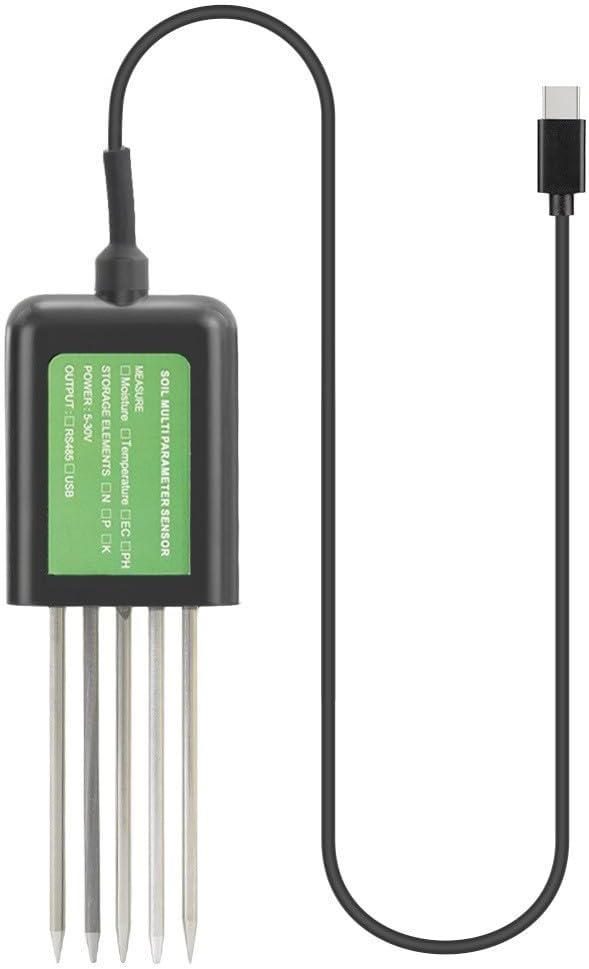
This USB sensor is designed for professionals needing deep soil analysis. It measures NPK nutrients alongside pH and moisture. The IP68 build withstands harsh conditions. It offers lab-grade accuracy but requires a USB connection to function.
We may earn a commission when you buy through this link, at no additional cost to you.
Data export is possible via the mobile app. This is great for research or commercial farming. The epoxy resin ensures durability against chemicals. It supports multiple parameters without needing batteries.
However the USB requirement limits mobility in remote fields. User feedback suggests compatibility issues with some devices. The rating is lower likely due to these connectivity challenges.
For labs and commercial farms this is a powerful tool. It replaces complex lab tests for nutrient needs. We recommend it where accuracy matters more than mobility.
Measure Nitrogen, Phosphorus, and Potassium. This data helps optimize fertilizer usage significantly.
IP68 rating ensures it survives dirt and water. Sealed resin protects electronics from corrosion.
We may earn a commission when you buy through this link, at no additional cost to you.
As a second top-tier option this combo kit offers high reliability. It separates pH and moisture into two tools for better hygiene. The FDR technology ensures accurate water content readings. It is suitable for soil and hydroponic water.
We may earn a commission when you buy through this link, at no additional cost to you.
The kit includes all necessary calibration solutions. This reduces maintenance effort. The stainless steel dibber protects the sensor from wear. Users appreciate the professional packaging and immediate usability.
Managing two meters is a minor inconvenience. The cost is higher but justifies the precision. It is a robust choice for serious gardeners.
Ideal for those wanting high quality without app reliance. The kit is self-contained and ready to use. We recommend it for consistent and reliable results.
FDR ensures accurate moisture data. This helps prevent overwatering which is common.
Calibration solutions included out of the box. Keep your sensors accurate for years.
We may earn a commission when you buy through this link, at no additional cost to you.
This simple analog tool offers reliability without electronics. It uses a needle probe to test pH and moisture. No batteries or chemicals are needed. It is a classic choice for large fields.
We may earn a commission when you buy through this link, at no additional cost to you.
The lack of digital display means reading values is manual. Calibration is simple using provided films. It is robust and handles tough conditions well. It is affordable and easy to maintain.
Without Bluetooth it does not store data. This limits tracking over time. However it is extremely durable and easy to carry.
Best for traditional gardeners preferring analog tools. It works without charging or apps. We recommend it for basic and robust testing.
No batteries needed for operation. It uses simple mechanical principles for measurement.
Take many readings quickly over a large field. Perfect for agricultural plots.
We may earn a commission when you buy through this link, at no additional cost to you.
This industrial-grade tester handles complex nutrient analysis with ease. It measures NPK pH moisture and conductivity. The high system availability ensures consistent results. It is perfect for commercial agriculture or petrochemical testing.
We may earn a commission when you buy through this link, at no additional cost to you.
Data storage allows export to Excel for further analysis. The clip-on design keeps it secure on belts. It is robust and reliable for tough environments. The high rating indicates user satisfaction.
The cost and complexity may not suit home users. However for large farms it is a valuable investment. The precision is superior to consumer models.
Ideal for commercial growers needing deep data. It simplifies nutrient management significantly. We recommend it for professional agricultural needs.
Accurate Nitrogen Phosphorus Potassium readings. This is vital for maximizing crop yields.
Clip onto your belt for easy access. Keep your hands free while working.
We may earn a commission when you buy through this link, at no additional cost to you.
Selecting the right device depends on your specific needs and budget. Consider these key factors to ensure the tool fits your workflow and environment.
Decide whether you need pH only or comprehensive data like moisture temperature and nutrients. Multi-parameter meters like the 7-in-1 models offer broader insights. For pure pH tracking specialized meters like the YINMIK suffice.
Look for devices that match your primary testing needs to avoid unnecessary cost.
Bluetooth connectivity allows data syncing to smartphones. USB models may offer better precision but limit mobility. Check compatibility with your device before purchasing.
Ensure the app works smoothly with your phone for seamless data tracking.
Probes are the most fragile part of these devices. Look for reinforced tips or replaceable probes for longevity. Stainless steel or plastic guards help protect the sensor.
Choose models with protective features to extend the device life.
Battery powered models need regular replacement. Solar or USB powered models offer continuous operation. Consider how often you will test to decide the power source.
Battery-free options are better for frequent testing to save on battery costs.
A clear display is essential for quick reading. Backlights help in low light conditions. Large screens make numbers easier to read.
Prioritize displays with backlights if you test in shaded areas.
Some devices require regular calibration to maintain accuracy. Look for kits that include calibration solutions. Self-calibrating devices reduce maintenance effort.
Check if calibration materials are included or sold separately.
Ensure the device works for your soil type. Some meters struggle with sandy or clay soils. Check manufacturer recommendations for soil types.
Select models that mention compatibility with your specific soil type.
Waterproof models survive rain and accidental drops. IP68 ratings ensure full submersion protection. This is crucial for outdoor use in wet conditions.
Prioritize IP68 rated devices for outdoor gardening tasks.
Insert the probe at least ten centimeters into the soil for accurate readings. Wait ten seconds for the value to stabilize on the display. Ensure the soil is slightly moist to protect the sensor.
After testing wipe the probe with a dry cloth. Avoid using harsh chemicals that may damage the electrode. For Bluetooth models disconnect from the app before storage.
Calibrate regularly using the provided solutions. Store the device in a cool dry place to extend its life. Check the battery level periodically to ensure consistent performance.
Most meters require slightly moist soil for accurate readings. Dry soil may not conduct the electrical signal properly. If the soil is too dry water it before testing.
The probe lasts years if treated with care. Avoid forcing it into hard rocks. Protective caps extend its life significantly.
Many meters can test water but check the manual. Liquid testing usually requires different calibration. Always rinse the probe after water testing.
Inconsistent readings often result from uncalibrated devices. Check if the probe needs cleaning. Ensure the sensor is fully inserted into the soil.
Some meters work standalone without an app. Others rely on Bluetooth for data storage. Verify if the app is required for full functionality.
Most plants thrive between pH 6 and 7. Some acidic plants prefer lower pH levels. Check plant needs before adjusting soil conditions.
Testing monthly is standard for home gardens. Commercial farms test weekly. Adjust frequency based on your plant needs and growth stage.
Yes but extreme cold may affect battery life. Keep the device warm before testing. Ensure the probe is dry after use.
Our top picks range from affordable to professional models. Each device offers unique benefits for different gardeners. Consider your needs carefully before deciding.
Focus on durability and calibration for best results. Avoid cheap devices that lack accuracy. Invest in tools that support long-term monitoring.
Remember to check current prices and availability. Models change often so verify details before buying. We hope this guide helps you find the perfect tool for your garden.