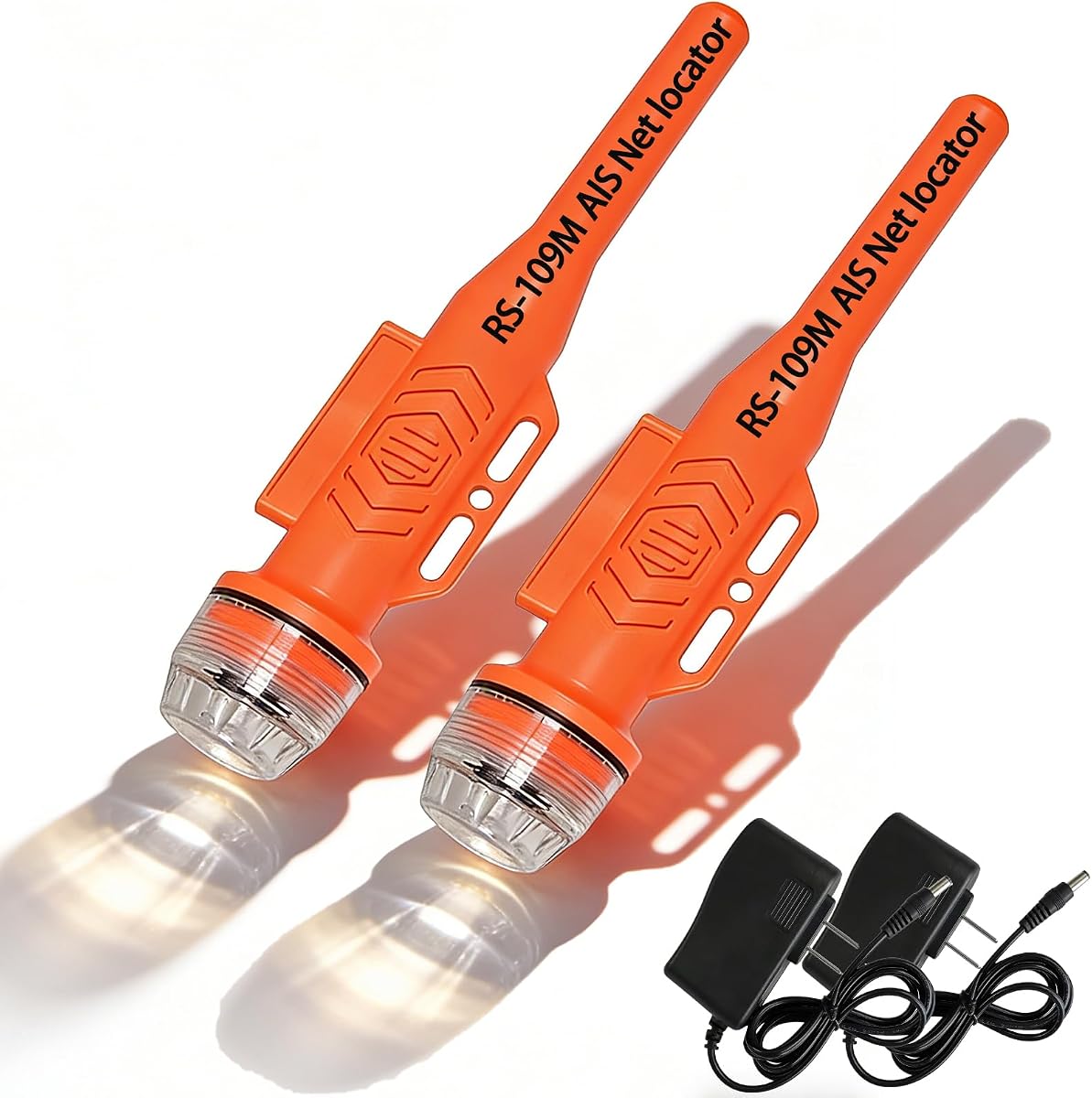
RS-109M Marine Net Locator IPX7 Waterproof GPS Navigation ALS Fishing Nnet Buoy 5W 10MN ST-109M Marine Transponder Net Buoy Tracker 2Packs
4.5Editor score
Data Sync Transmission
Accurate GPS Positioning
IPX7 Waterproof Design
Choosing the right navigation equipment is critical for safety at sea. An Ais Transponder helps vessels communicate their position and identity to nearby traffic, reducing collision risks significantly in busy waters.
We evaluated ten leading models based on display quality, connectivity options, and safety features. Our comparison covers Class A and Class B units, personal beacons, and integrated radio bundles to suit every boater's needs.
Each pick highlights key strengths like GPS accuracy, battery life, and user interface design. Prices fluctuate frequently so please check current listings before purchasing to ensure you get the best deal available today.
4.5Editor score

4.8Editor score
4.9Editor score
As an Amazon Associate we earn from qualifying purchases.
This side-by-side comparison lists all ten models with their key specifications to help you quickly identify which device matches your specific maritime navigation and safety requirements.




The Icom MA-510TR stands out as a top-tier option for boaters seeking advanced navigation features. It offers a vibrant display and robust connectivity options ensuring seamless integration with your marine electronics.
We may earn a commission when you buy through this link, at no additional cost to you.
Key strengths include the built-in GPS which simplifies setup by reducing external wiring needs. The DSC calling feature enhances safety by allowing quick distress calls when paired with compatible radios.
While it is priced higher than basic units the extensive feature set justifies the cost for serious mariners. The silent mode allows for discreet operations which can be useful in sensitive areas.
This model is ideal for vessel owners who prioritize visibility and safety. We recommend it for those upgrading from older systems or building a new vessel electronics suite.
The 4.3 inch color display ensures clear visibility even in bright sunlight improving situational awareness significantly.
USB connectivity and NMEA compatibility allow easy connection to charts and other onboard instruments.
We may earn a commission when you buy through this link, at no additional cost to you.
This model offers a standard approach to AIS communication suitable for smaller vessels or budget-conscious buyers. It provides essential transmit and receive functions without unnecessary complexity.
We may earn a commission when you buy through this link, at no additional cost to you.
The dual voltage power supply makes it versatile for different boat electrical systems whether you run 12V or 24V. This flexibility is a significant plus for DIY installers.
Specific feature details are somewhat sparse in public listings so verifying compatibility with your existing gear is recommended before purchase. It serves well as a basic safety compliance unit.
Choose this if you need a no-fuss Class B transceiver that meets regulatory requirements. It is a practical option for day sailors and coastal cruisers.
Accepting both 12V and 24V power ensures it fits a wide range of small to medium sized boats.
Focused on core transmit and receive tasks it avoids feature bloat that might confuse new users.
We may earn a commission when you buy through this link, at no additional cost to you.
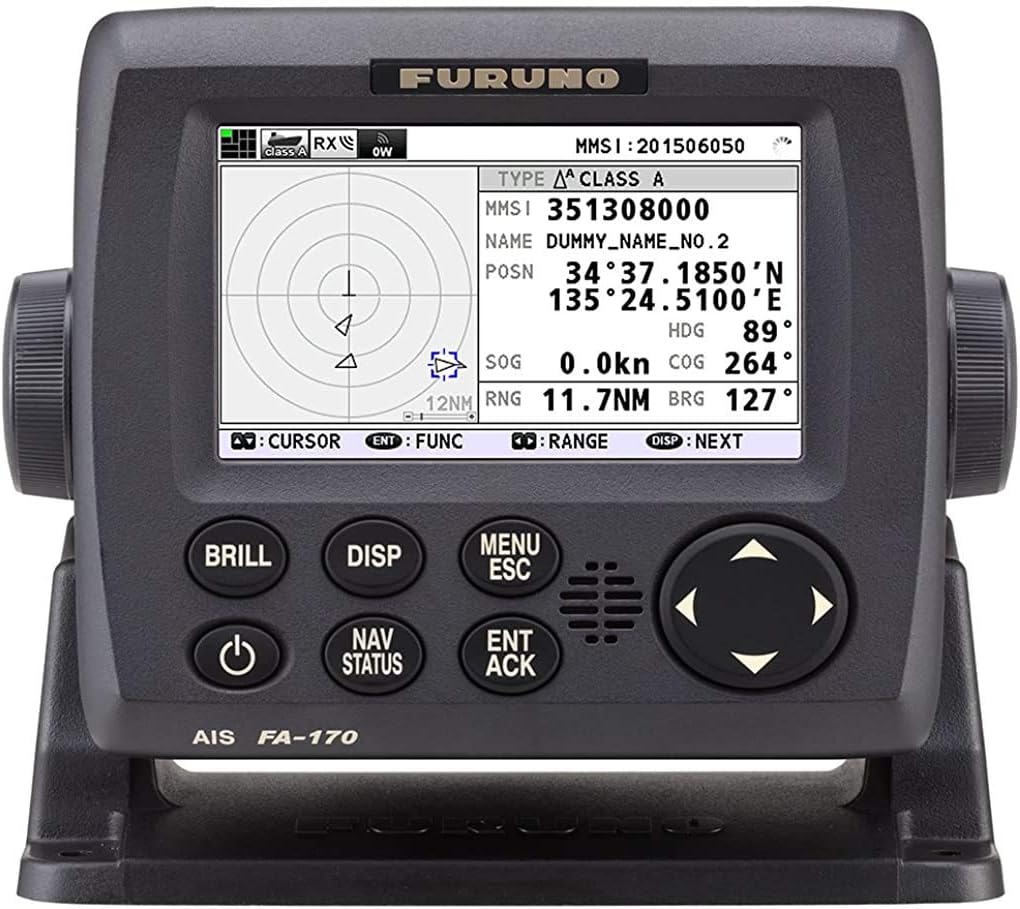
The Furuno FA170 represents the gold standard for commercial and professional marine navigation. Its Class A capabilities ensure high-priority identification in busy shipping lanes and congested ports.
We may earn a commission when you buy through this link, at no additional cost to you.
Key strengths include the ability to store over 2000 targets providing a comprehensive view of traffic history. The Dangerous Target list feature alerts you to potential collision risks immediately saving valuable reaction time.
The price point reflects its advanced engineering and reliability. While not necessary for recreational boats it is essential for commercial vessels where regulatory compliance is mandatory.
We recommend this for professional maritime operators who need top-tier performance. The investment pays off in enhanced safety and operational efficiency.
With 2048 target storage you can review traffic patterns over time to navigate more safely.
Six in out ports allow connection to multiple displays and sensors simultaneously without bottlenecks.
We may earn a commission when you buy through this link, at no additional cost to you.
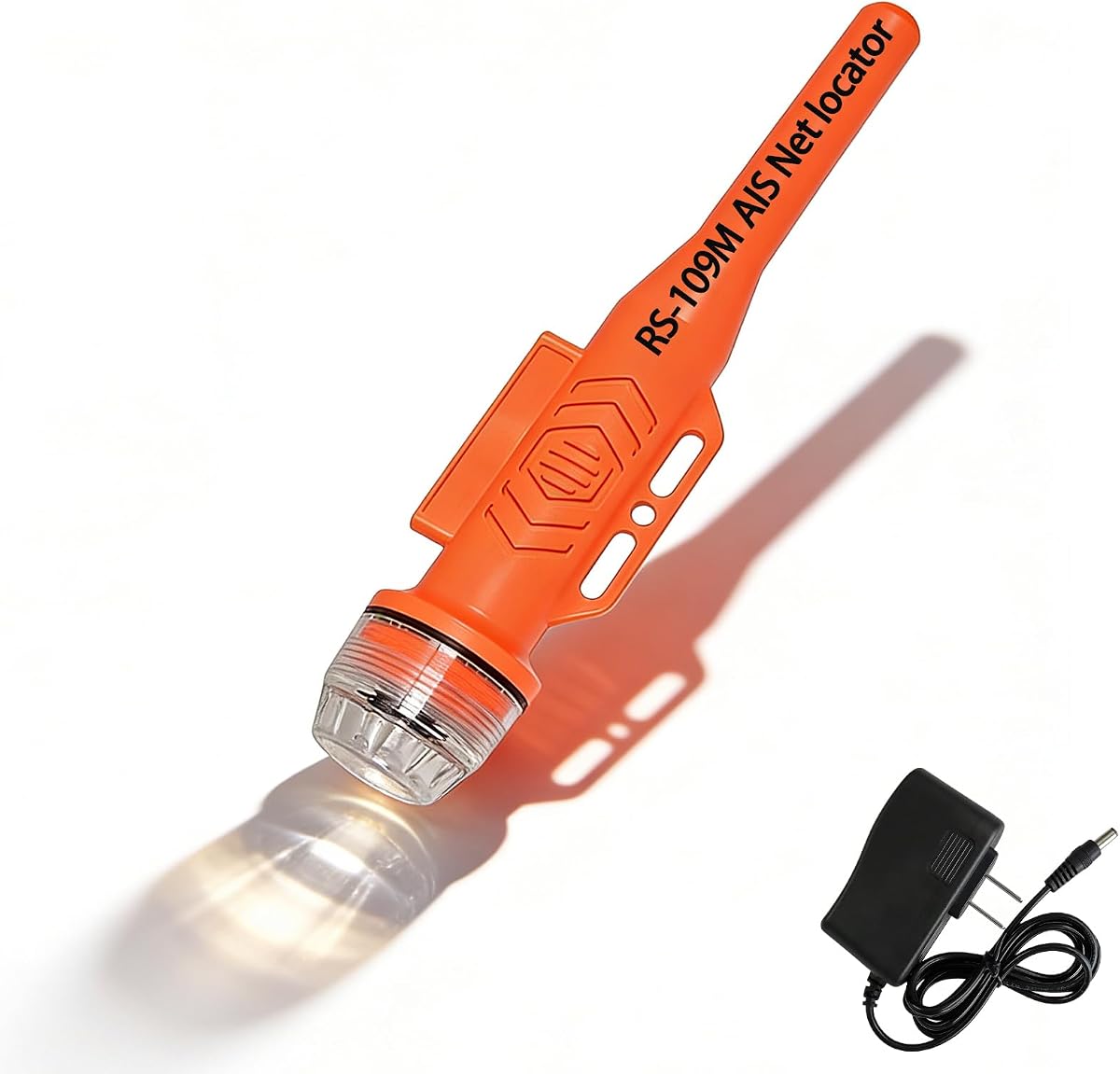
This two-pack of trackers offers an affordable way to monitor fishing nets or buoys using AIS technology. It is designed for utility rather than vessel navigation providing peace of mind for gear retrieval.
We may earn a commission when you buy through this link, at no additional cost to you.
The IPX7 waterproof design ensures durability in harsh marine conditions. With a 10 nautical mile range you can track gear well beyond visual contact in coastal waters.
Battery life is impressive at up to two weeks of continuous transmission. This reduces the frequency of maintenance visits which is crucial for remote fishing operations.
Ideal for commercial fishermen or recreational anglers who need to track gear. It is a cost-effective addition to your safety and equipment management toolkit.
Real-time location updates help you recover nets quickly preventing loss and potential hazards.
The 3000mAh battery supports weeks of operation ensuring you stay connected without constant battery swaps.
We may earn a commission when you buy through this link, at no additional cost to you.
This bundle combines a VHF radio with an AIS transceiver offering a unified solution for communication and tracking. It simplifies installation by reducing separate cabling requirements for your helm station.
We may earn a commission when you buy through this link, at no additional cost to you.
Raymarine is known for reliability in marine electronics so this package offers peace of mind. The fixed mount design ensures the radio stays secure and within easy reach during emergencies.
While the price is higher than buying units separately the integration benefits save time and labor. This is ideal for boat builders or owners upgrading their entire console setup.
We suggest this for those wanting a cohesive system from a single brand. It balances functionality with ease of use for recreational and semi-professional sailors.
Combining radio and AIS reduces clutter at the helm making controls more accessible.
Raymarine electronics are built to withstand salt and heat ensuring long term durability.
We may earn a commission when you buy through this link, at no additional cost to you.
This beacon is designed for personal safety rather than ship navigation. It sends distress alerts to nearby vessels and satellites ensuring you get help quickly if you fall overboard or are in trouble.
We may earn a commission when you buy through this link, at no additional cost to you.
The Return Link Service confirms rescue coordination centers have received your signal. This feedback loop reduces uncertainty for your family and crew during critical emergencies.
Integration with mobile apps allows easy checking of battery life and test status. The lightweight design means it clips easily to life jackets without weighing you down.
Essential for offshore sailors and swimmers. We strongly recommend carrying one on every vessel for added personal security.
Distress alerts broadcast automatically to nearby ships and satellites for rapid response.
Confirmation signals reassure you that help is on the way reducing panic in emergencies.
We may earn a commission when you buy through this link, at no additional cost to you.
This single tracker version serves the same purpose as the two-pack but allows for flexible purchase planning. It is perfect for marking a single specific buoy or gear location.
We may earn a commission when you buy through this link, at no additional cost to you.
The waterproof rating and GPS accuracy match the two-pack ensuring reliable performance. You can rely on it for long periods without worry thanks to the high capacity battery.
Data transmission happens via onboard receiver apps allowing you to check status from your chartplotter. This remote visibility saves time on manual checks.
Choose this if you only need to track one piece of equipment. It is a simple effective tool for small scale fishing or marking hazards.
Single unit purchase is ideal for users needing minimal gear coverage without extra costs.
Same high specs as the two-pack ensure reliability for critical single point monitoring tasks.
We may earn a commission when you buy through this link, at no additional cost to you.
This handheld radio stands out by integrating an AIS receiver allowing you to see traffic on a small handheld screen. It is incredibly useful for captains moving around the deck away from fixed consoles.
We may earn a commission when you buy through this link, at no additional cost to you.
The loud audio output ensures you hear calls clearly even in noisy engine rooms. The float and flash feature means if it falls overboard it stays visible and locatable.
Battery life supports a full day of typical use. The included GPS waypoints help you navigate back to known fishing spots quickly using simple menus.
Best for deckhands or captains needing mobility. It adds a layer of safety to portable communication that is rare in handheld units.
Portable AIS receiver allows situational awareness while working on the bow or stern.
1500 mW audio ensures you hear distress calls even in high noise conditions.
We may earn a commission when you buy through this link, at no additional cost to you.
The M510 EVO brings modern connectivity to your helm. It supports NMEA 2000 allowing seamless data sharing with charts and instruments without complex wiring.
We may earn a commission when you buy through this link, at no additional cost to you.
The interface is designed for intuitive use making it easy to manage settings and calls. This reduces distraction while navigating busy waters.
Audio quality remains high which is critical for emergency calls. The built-in AIS receiver ensures you stay aware of traffic on your main screen or handheld.
Choose this for newer boats with digital networks. It is a future-proof choice that simplifies wiring and improves functionality.
NMEA 2000 ensures compatibility with the latest marine electronic displays and instruments.
Data over a single cable reduces clutter at the helm compared to traditional NMEA 0183 wiring.
We may earn a commission when you buy through this link, at no additional cost to you.
This Class B transceiver is designed to work tightly with Raymarine displays for a streamlined setup. The built-in antenna splitter saves you buying a separate splitter box.
We may earn a commission when you buy through this link, at no additional cost to you.
SO-TDMA networking ensures better performance in high traffic areas compared to older TDMA standards. This helps maintain reliable connections even in busy ports.
Setup and diagnostics are handled through the connected display PC app making troubleshooting easier for DIY users. It fits naturally into existing Raymarine networks.
Best for Raymarine system users seeking a simple upgrade. It offers solid performance without extra clutter on your boat.
Integrated splitter eliminates one hardware component reducing cost and potential failure points.
SO-TDMA technology offers more slots for transmission improving reliability in crowded zones.
We may earn a commission when you buy through this link, at no additional cost to you.
Selecting the right unit involves evaluating display size connectivity and class type.
Class A units are required for commercial vessels and transmit more frequently. Class B is sufficient for recreational boats and often costs less.
Ensure your choice meets maritime regulations for your vessel size and type to avoid compliance issues.
Decide if you want a standalone display or one that connects to your existing chartplotter. Standalone units often offer larger screens for data.
Check compatibility with your current NMEA 0183 or 2000 network to ensure seamless data sharing.
Look for USB and NMEA ports to connect the device to charts laptops or other instruments. This expands functionality and data logging capabilities.
Modern units with NMEA 2000 support simplify wiring compared to older legacy standards.
Built-in GPS reduces cable clutter and ensures immediate position updates. External GPS may be used but adds complexity.
Verify high sensitivity GPS modules are present for accurate tracking in remote coastal waters.
If the unit includes communication features ensure the speaker output is loud enough for noisy environments like engine rooms.
High decibel output ensures distress calls are heard even when the vessel is running at speed.
Check voltage requirements to match your boat's electrical system. Most units run on 12V or 24V but draw varies.
Energy efficient models are better for battery powered setups to avoid draining reserves quickly.
Marine electronics face harsh elements so look for IPX7 or higher waterproof ratings for outdoor mounting.
Sealed housings prevent corrosion and water ingress ensuring longevity in salt air.
Prices vary significantly from basic trackers to professional Class A units. Determine your exact needs to avoid overspending.
Invest in essential safety features first before adding advanced navigation extras.
Install the device securely on a flat surface away from direct impact. Run power cables through existing conduits to minimize exposure.
Connect to GPS or NMEA networks as per the manual. Configure your MMSI number and ship details to ensure accurate identity transmission.
Perform monthly self tests and check battery levels. Keep firmware updated via USB or network to maintain performance.
Class A units are mandatory for commercial ships and broadcast more frequently for higher priority. Class B is used for recreational vessels and offers basic transmit and receive functions at a lower cost.
Many units include integrated antennas or allow sharing a VHF antenna via a splitter. Check the manual to confirm if an external antenna is required for optimal range.
RLS confirms when rescue services receive your distress signal. This feedback loop provides peace of mind to the beacon owner during emergencies.
Yes accurate GPS is critical because AIS relies on position data. Without it nearby vessels cannot see your location rendering the system ineffective.
Most units have weatherproof housings rated IPX7 or higher. Ensure they are placed in locations protected from direct water jets to extend lifespan.
Most AIS transponders do not require subscriptions as they use public VHF frequencies. Personal beacons may rely on satellite networks which are generally free of recurring costs.
The Icom MA-510TR and Furuno FA170 stand out for premium users needing top tier performance and visibility. For budget focused options the RS-109M trackers provide excellent value for gear monitoring.
Prioritize display clarity and connectivity compatibility. Ensure your unit integrates smoothly with existing NMEA networks to maximize utility.
Check current pricing and availability before purchasing as costs fluctuate. Always verify regulatory requirements for your vessel to stay compliant.