
TP-Link 10GB PCIe Network Card
4.2Editor score
10Gbps transfer speeds
Low profile bracket included
Free CAT6A cable
This guide compares the top 10GbE network cards for speed and reliability across various use cases including gaming NAS and professional workstation needs.
Finding the right 10GbE network card can transform your computing experience by enabling faster data transfers and smoother online activities. Whether you are building a home lab or upgrading a workstation these adapters provide essential connectivity for modern high bandwidth demands.
We analyzed ten leading models based on performance compatibility and value to help you choose the best fit for your setup. Each product was evaluated for its chipset quality driver support and overall reliability in real world networking scenarios.
Each pick highlights key strengths and ideal use cases to streamline your decision making process. Keep in mind that pricing fluctuates frequently so check current offers before finalizing your purchase to ensure you get the best deal available today.
4.2Editor score

4.3Editor score

4.6Editor score
The following comparison table offers a side-by-side overview of each model featured in this guide highlighting their core specifications and unique selling points to help you quickly identify the right adapter for your specific networking requirements.




The TP-Link TX401 stands out as the most accessible way to upgrade to 10GbE networking without breaking the bank. It delivers consistent speeds and features a modern chipset that handles everyday tasks well including gaming and file transfers.
We may earn a commission when you buy through this link, at no additional cost to you.
Its standout qualities include full backwards compatibility with lower speed connections and a bundled CAT6A cable that ensures you can hit top speeds immediately. The compact design fits into most cases including low profile builds which is rare for 10G cards.
While some users have reported driver challenges on Windows 11 these can usually be resolved with a manual update from the support site. The passive cooling design may run warm in poorly ventilated cases but is sufficient for most home setups.
This card is perfect for budget-conscious users who need fast local transfers and reliable internet access. Its versatility and included accessories make it a top recommendation for anyone entering the 10GbE space for the first time.
The included CAT6A cable ensures you have everything needed to reach 10G speeds without purchasing extra accessories.
Both full height and low profile brackets allow installation in almost any desktop PC form factor.
We may earn a commission when you buy through this link, at no additional cost to you.
This adapter is purpose built for Synology NAS systems offering seamless integration and robust performance for storage applications. It provides dual 10GbE ports which allow for link aggregation or failover configurations to maximize throughput.
We may earn a commission when you buy through this link, at no additional cost to you.
Users can expect smooth operation within the DiskStation Manager ecosystem with automatic negotiation between 10G and 1G speeds ensuring stability across mixed network environments. The five year warranty adds significant peace of mind for critical data storage.
While highly effective for Synology owners the card offers little value for general PC use due to its proprietary optimization. The price is higher than generic alternatives but the reliability and warranty support justify the investment for NAS users.
If you own a Synology NAS and want to upgrade its networking capabilities this is the definitive choice. It ensures your storage remains a bottleneck and delivers consistent high speed access across all connected devices.
Designed to work perfectly with Synology DiskStation Manager for hassle free setup and management.
Two ports allow for bandwidth aggregation or network redundancy to keep data flowing.
We may earn a commission when you buy through this link, at no additional cost to you.
This card offers server grade reliability at a consumer friendly price point thanks to its use of the trusted Intel 82599EN controller. It is tailored for users who need robust networking for virtualization or high speed data center tasks.
We may earn a commission when you buy through this link, at no additional cost to you.
The SFP+ port allows flexibility with DAC cables or fiber optics making it ideal for connecting to managed switches or other 10G devices. It supports major server operating systems and virtualization platforms ensuring broad utility.
Note that this model does not support lower 10GBase-T speeds like 1G or 2.5G so it must connect to compatible 10G hardware. The passive cooling requires adequate case airflow to prevent overheating during heavy usage.
Buyers looking for enterprise features without the enterprise price tag will find great value here. It is an excellent choice for homelab enthusiasts or small businesses needing stable 10G connectivity for servers or storage.
Original Intel 82599EN chip ensures high stability and compatibility with virtualization environments.
Connects via SFP+ ports using DAC or fiber optics for high speed switch integration.
We may earn a commission when you buy through this link, at no additional cost to you.
Powered by the Realtek RTL8127 chipset this card brings modern PCIe 4.0 efficiency to 10GbE networking in a compact x1 form factor. It supports a wide range of speeds from 10G down to 100Mbps allowing smooth integration into varied networks.
We may earn a commission when you buy through this link, at no additional cost to you.
Its energy efficient design makes it suitable for small PCs and home labs where power and heat matter. The auto-negotiation feature ensures that it pairs well with older and newer networking gear without manual configuration.
Drivers are available for mainstream operating systems but checking compatibility with specific Linux kernels or NAS systems is wise before purchase. The card generates minimal heat but benefits from decent case airflow for longevity.
For users seeking a lightweight yet powerful adapter for modern desktops this card is a strong contender. It balances performance efficiency and cost effectively making it ideal for everyday high speed internet and LAN usage.
Uses PCIe 4.0 x1 to ensure bandwidth headroom for sustained high speed transfers.
Auto negotiates with existing routers and switches for effortless setup.
We may earn a commission when you buy through this link, at no additional cost to you.
The Vogzone X550-T2 delivers enterprise level performance with its Intel X550AT2 controller making it a standout choice for demanding workloads. Dual RJ45 ports allow for high speed connections and improved redundancy in professional setups.
We may earn a commission when you buy through this link, at no additional cost to you.
It supports extensive server features like QoS load balancing and offloading capabilities which enhance efficiency during heavy usage. Users can update firmware without removing the card saving time and reducing downtime during maintenance.
Some users may need to manually set speed settings to ensure proper negotiation to 2.5G or 5G on certain networks. While the price is higher the advanced features and reliability make it a top pick for serious users.
This card is recommended for professionals and enthusiasts who need consistent high speed performance and advanced networking features. It bridges the gap between consumer and enterprise gear providing exceptional value for the capabilities offered.
Advanced offloading and QoS ensure smooth performance even under heavy network load.
Update firmware easily without rebooting to keep drivers and features current.
We may earn a commission when you buy through this link, at no additional cost to you.
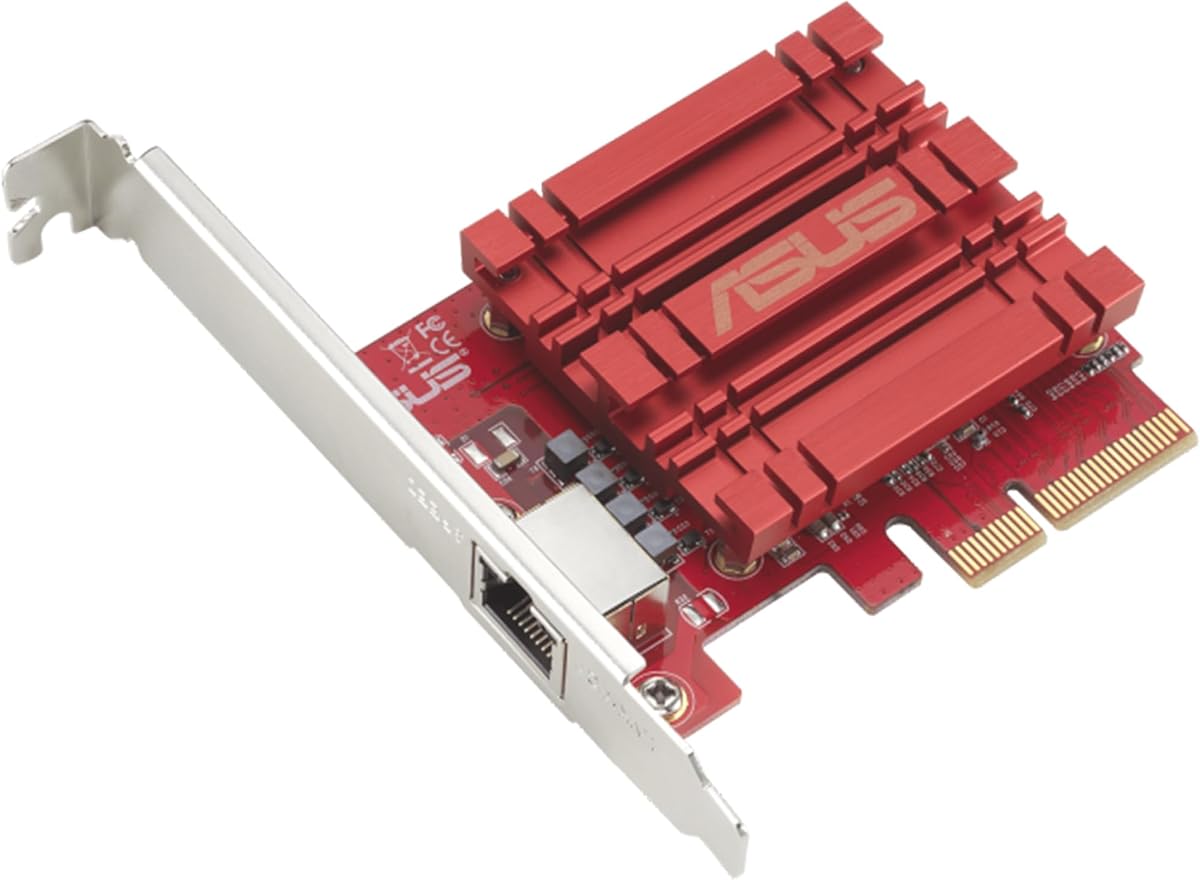
Asus brings its reputation for reliable hardware to 10GbE networking with this versatile PCIe adapter. It supports a wide array of speeds allowing users to upgrade their desktop quickly to handle bandwidth demanding tasks easily.
We may earn a commission when you buy through this link, at no additional cost to you.
Built in Quality of Service technology helps prioritize critical data packets ensuring smooth online gaming and video conferencing. The card works well with both Windows and Linux systems making it flexible for different environments.
Installation is straightforward using standard copper cables though occasional driver updates may be required for optimal stability. It is a solid choice for users who want a trusted brand name without excessive complexity.
This card fits well in home offices and studios needing consistent performance without enterprise features. Its balance of speed reliability and ease of use makes it a safe investment for general networking needs.
QoS prioritizes essential traffic to maintain performance during heavy usage.
Full backward compatibility ensures it works with older network gear seamlessly.
We may earn a commission when you buy through this link, at no additional cost to you.
Designed specifically for Synology systems this single port adapter ensures seamless integration and reliable performance for storage users. It supports auto negotiation across multiple speeds allowing flexible connectivity with various networking equipment.
We may earn a commission when you buy through this link, at no additional cost to you.
Users appreciate its straightforward setup and consistent reliability within the DiskStation Manager environment. The five year limited warranty offers extended protection reflecting the manufacturer confidence in the product quality.
While only offering one port it delivers full 10GbE performance making it a cost effective upgrade for users needing single stream high speed access. It is not designed for general PCs but excels in NAS roles.
This adapter is ideal for Synology owners seeking a trusted upgrade to their current networking capabilities. Its simplicity and warranty make it a reliable choice for ensuring uninterrupted high speed data access.
Validated compatibility ensures flawless operation within Synology NAS environments.
Five year warranty coverage provides long term peace of mind for users.
We may earn a commission when you buy through this link, at no additional cost to you.
This affordable adapter uses genuine Intel silicon providing consistent throughput ideal for NAS transfers and virtual machine migrations. Its SFP+ port offers flexibility to accept third party optics and cables without vendor locks.
We may earn a commission when you buy through this link, at no additional cost to you.
Most Linux and virtualization systems detect it without extra drivers which simplifies setup. It works well on Windows with official Intel drivers installed ensuring broad compatibility across platforms.
The heatsink is passive so proper case airflow is necessary to maintain safe operating temperatures. Users should ensure their build has sufficient ventilation to avoid thermal throttling during long transfers.
For those building a cost effective home server this card is an excellent choice. It combines reliable performance with versatile connectivity options making it a top pick for DIY server enthusiasts.
Accepts third party DACs and fiber optics without vendor specific restrictions.
Works plug and play on Proxmox TrueNAS and ESXi without driver hassle.
We may earn a commission when you buy through this link, at no additional cost to you.
TRENDnet provides a compliant networking solution ideal for government and enterprise needs with NDAA and TAA certification. It supports modern speeds including 2.5G and 5G over standard cabling making it versatile for many networks.
We may earn a commission when you buy through this link, at no additional cost to you.
The adapter offers solid reliability with LED indicators and included brackets for easy installation. Customer support is available during business hours providing assistance if users face setup issues.
Performance is consistent but not class leading offering standard throughput without advanced virtualization features. It works well in basic PC and workstation environments needing straightforward 10G access.
This card is best for users prioritizing compliance and support over cutting edge features. It is a dependable option for offices and environments that require certified hardware for networking.
NDAA and TAA certified to meet strict government procurement standards.
Supports 2.5G and 5G speeds over existing Cat5e cables saving upgrades.
We may earn a commission when you buy through this link, at no additional cost to you.
This card offers the popular Intel X550AT2 chipset at a competitive price making it a strong value option for server and desktop upgrades. It supports multiple speeds from 10G down to 100M allowing flexible networking options.
We may earn a commission when you buy through this link, at no additional cost to you.
Users can run it on various operating systems including FreeBSD and VMware though functionality may vary by version. The included brackets allow installation in both full size and low profile systems easily.
Note that firmware updates are not supported and manual speed configuration may be needed on some switches. Despite this it delivers stable performance for general high speed data transfers and NAS usage.
Ideal for budget conscious server admins this card balances performance and affordability. It provides a reliable path to 10GbE without enterprise prices making it a solid everyday solution.
Supports 10G/5G/2.5G/1G connections to match various network hardware.
Delivers Intel controller reliability at a fraction of the branded price.
We may earn a commission when you buy through this link, at no additional cost to you.
Selecting the right 10GbE adapter requires understanding your system's hardware and your network needs. This guide covers essential factors to help you make an informed purchase decision.
Most cards come with RJ45 ports using standard copper cables or SFP+ ports requiring fiber or DAC cables. RJ45 is easier to use but costs more for cables whereas SFP+ is cheaper to cable but needs specific optics.
Check your system's ports and existing cables before deciding. RJ45 is best for general users while SFP+ suits data center or advanced home lab environments.
10GbE cards vary from x1 to x4 slots. While x1 cards work in x16 slots ensure your motherboard supports the version speed like 3.0 or 4.0 to avoid bottlenecks.
Verify your PCIe slot availability and version on your motherboard manual. Most cards fit x4 or x16 slots but x1 is ideal for compact builds.
Ensure drivers exist for your OS. Windows usually has plug and play support but Linux may need manual installation. Server OS compatibility depends on chipset choice.
Check manufacturer docs for your OS version. Linux users should confirm kernel compatibility before buying to avoid driver struggles.
Determine your bandwidth needs. If you transfer large files or run VMs a card with low latency and high throughput matters. Some cards handle packet loss better in crowded networks.
Look for offloading features if running servers. Cards with TCP offload reduce CPU usage and keep your system running faster during heavy transfers.
Many 10G cards use passive heatsinks that need case airflow. Without fans they may throttle speeds in sealed cases. Check if your case has ventilation for the slot.
Ensure your PC case moves air across the adapter. Adding a small fan may be necessary to prevent overheating in small form factor builds.
A longer warranty indicates better build quality. Companies like Synology offer five years while others give two. Support availability matters if you run into driver issues.
Choose brands with clear support channels. A good warranty protects your investment if the card fails or drivers don't work well.
Known brands often offer better reliability. Intel chipsets are trusted but third party cards using them vary. Check reviews for quality control and driver support.
Opt for brands with positive community feedback. Avoid obscure sellers if you want long term stability for your network.
Consider if you might upgrade to higher speeds later. Cards supporting 5G and 2.5G offer flexibility for current gear. PCIe 4.0 cards prepare you for future bandwidth needs.
Select cards with auto negotiation to support current and future devices. Investing in slightly better hardware now can save money later.
Install the card into a compatible PCIe slot and secure it with the provided brackets. Connect a Cat6A cable to the adapter and your switch or router to enable 10G speeds. Ensure your system BIOS allows PCIe power settings for optimal performance.
Install the latest drivers from the manufacturer site to ensure full compatibility. On Linux systems verify the module loads automatically on boot. Reboot your system after installation to apply network settings correctly.
Regularly check for firmware updates to keep performance stable and secure. Monitor system temperatures to ensure airflow remains adequate. Keeping the contacts clean will prevent connection issues over time.
Yes for reliable 10G speeds use Cat6A or better cables. Cat5e can support 2.5G but may not reach full 10G over long distances. Ensure cables are certified for 10G to avoid speed drops.
Yes most 10GbE cards auto negotiate to 1G or lower speeds. You may not see full 10G performance unless your switch or router supports it. The connection will still work seamlessly without errors.
Intel chips offer better stability and virtualization features. Realtek is cost effective and good for general home use. Choose Intel for server workloads and Realtek for simple upgrades.
Most cards do not support macOS out of the box. Some third party drivers exist but they are less stable. Check vendor compatibility lists before purchasing for Apple systems.
Most cards draw less than 10 watts from the PCIe slot. They do not need extra power connectors. Ensure your power supply is efficient enough for the extra load.
PCIe 4.0 offers double the bandwidth per lane. A 10GbE card on x1 can saturate PCIe 3.0 but benefits from 4.0. For most users the difference is minimal unless running heavy multi port setups.
The TP-Link TX401 leads for budget buyers while the Vogzone X550-T2 stands out for performance seekers. Each option offers reliable connectivity to meet your specific speed and stability needs.
Prioritize compatibility with your operating system and existing network gear. Features like auto negotiation and driver support matter as much as raw speed in daily use.
Always check current pricing before purchasing as deals change frequently. Investing in the right adapter today ensures your network remains fast and efficient for years to come.