
Zoom H1 Essential Recorder
4.0Editor score
Affordable entry price
USB-C mic functionality
Lightweight portable design
This guide compares the top audio recorders for streaming music, evaluating features, quality, and performance to help you choose the perfect device for your
Streaming music requires reliable audio capture tools that deliver crisp sound and seamless integration. Whether you are a podcaster or musician, choosing the right recorder ensures your content stands out. Quality devices offer flexible inputs and robust storage to handle diverse recording scenarios effortlessly.
We evaluated ten top models based on audio fidelity, connectivity options, and user experience. Each product brings unique strengths for streaming workflows. Our analysis focuses on real-world performance to help you find the device that fits your specific creative requirements and budget constraints.
Each pick highlights key features and ideal use cases for different creators. Note that availability and pricing may fluctuate over time. We recommend checking current details before purchasing to ensure you get the best value for your investment in high-quality audio equipment today.
4.0Editor score
4.4Editor score

4.6Editor score
Here is a side-by-side look at all ten models to help you compare key specifications quickly. This table highlights the core capabilities of each device so you can identify which one matches your streaming requirements.



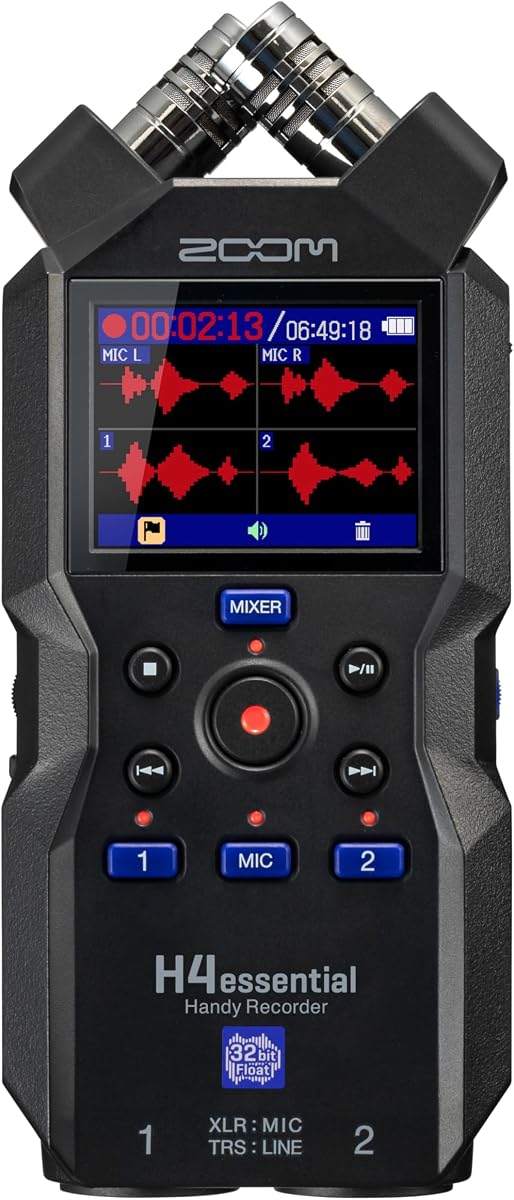
The Zoom H4 Essential is a top-tier choice for creators needing reliable streaming capture. With a 4.4 rating it balances professional features with ease of use for many scenarios. Its ability to handle music podcasts and video audio makes it a versatile tool for diverse workflows.
We may earn a commission when you buy through this link, at no additional cost to you.
You can plug in external mics or connect directly to a mixer. The USB-C port allows streaming to devices while backing up to SD card simultaneously. Spoken menu guidance ensures accessibility and helps visually impaired users navigate settings without frustration during critical recording moments.
While it offers great flexibility the need to manage SD cards may be inconvenient for some. Users may find the interface slightly complex compared to simpler entry-level units. These trade-offs are acceptable given the robust feature set and high-quality audio performance for professional projects.
Ideal for musicians and podcasters who need multi-track capabilities on the go. This device stands out for its comprehensive input options and clear sound. It delivers confidence for bigger projects without distortion. Consider this if you need a balanced solution for streaming and recording.
Connect external instruments or mixers using XLR/TRS inputs for professional-grade setups.
Spoken menu guidance makes navigation easier for visually impaired users or beginners.
We may earn a commission when you buy through this link, at no additional cost to you.
The Zoom H1 XLR delivers pro-quality results with a simple setup process. Its 4.5 rating reflects its reliability for interviews and podcasts. This 2-channel recorder is ideal for filmmakers who need clear sound without complex configurations. It excels in everyday recording scenarios with high fidelity.
We may earn a commission when you buy through this link, at no additional cost to you.
Two XLR/TRS inputs let you connect microphones or instruments directly. The OLED waveform display helps you monitor levels at a glance. This visual feedback ensures clean recordings even in dynamic environments. High-quality sound is maintained through 32-bit recording technology.
Although it supports up to 1TB SD cards the 2-channel limit may restrict multi-track projects. Users might need additional gear for expanded setups. These limitations are acceptable for focused recording tasks where simplicity and portability are prioritized over extensive channel counts.
Best for solo creators needing high fidelity in a compact form. It ensures detailed sound for interviews and videos. The display provides peace of mind during sessions. Consider this if you value visual monitoring and straightforward connections for your streaming needs.
The OLED display shows waveforms so you can track levels easily.
Combo inputs allow you to connect various microphones and instruments directly.
We may earn a commission when you buy through this link, at no additional cost to you.
The Zoom H1 Essential offers a budget-friendly entry into quality audio recording. Rated 4.0 it is perfect for content creators needing better sound than phones. It captures clear stereo audio for tutorials and reels easily. This device ensures natural sound for podcasts and interviews.
We may earn a commission when you buy through this link, at no additional cost to you.
You can plug in via USB-C for streaming calls or voiceovers. The recorder is ready whenever inspiration hits for rehearsals or jam sessions. It handles real-world sound like nature or room tone well. This versatility makes it a great tool for daily documentation.
While affordable it lacks the robustness needed for complex music projects. Users may find features basic compared to higher-end models. These trade-offs are acceptable for those prioritizing budget and simplicity. It delivers clear voices without complexity or expensive gear requirements.
Ideal for beginners or those on a tight budget. It provides polished sound for video and calls. The USB-C connectivity is a strong point. Choose this if you need an accessible recorder for streaming and casual content creation tasks.
Simple menus make it easy to start recording quickly without setup.
Use it for podcasts or travel audio with natural stereo capture.
We may earn a commission when you buy through this link, at no additional cost to you.
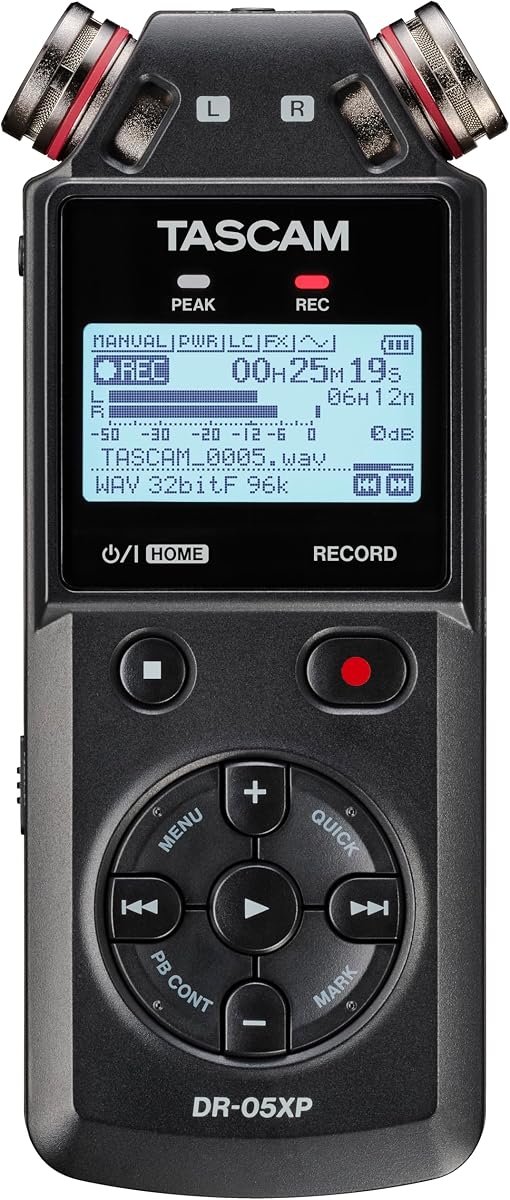
The TASCAM DR-05XP is a portable handheld recorder for pro-quality sound. With a 4.2 rating it captures music and meetings effectively. Its flexible recording modes include 32-bit float for high fidelity. This device handles loud environments up to 125dB SPL well.
We may earn a commission when you buy through this link, at no additional cost to you.
The 2-in/2-out USB-C audio interface allows direct recording to computers. It supports MP3 or 96kHz formats for diverse needs. Running on AA batteries it offers up to 17.5 hours of operation. This reliability makes it great for extended field sessions.
Without a built-in screen monitoring levels can be tricky on the go. Controls are basic compared to units with displays. These trade-offs are acceptable for budget-conscious users needing simple functionality. It delivers consistent sound for dictation and audio for video tasks.
Best for users who need simple USB connectivity. It handles loud sources without distortion. Battery life supports long days. Choose this if you need a reliable field recorder for voice and music streaming applications.
Record directly to your computer via the USB-C audio interface.
AA batteries provide over 17 hours of continuous recording time.
We may earn a commission when you buy through this link, at no additional cost to you.
The Zoom R4 is designed for musicians needing multi-track recording. With a 4.5 rating it allows capturing up to 4 tracks with bounce. This ensures clip-free audio without touching gain settings. It is perfect for tracking vocals and ideas on the fly.
We may earn a commission when you buy through this link, at no additional cost to you.
You can use XLR/TS combo inputs for various instruments. The built-in rhythm section offers eighty-plus drum patterns. This keeps sessions inspired and timing tight for creative work. It functions as a USB audio interface for smartphones too.
The interface may be complex for first-time users. Managing power with batteries or USB requires attention. These trade-offs are acceptable given the layering and mixing tools. It delivers a comprehensive studio experience in a portable device for creators.
Ideal for musicians creating layered projects live. It frees up channels with the bounce track. The rhythms help keep timing precise. Consider this if you need a compact recorder that supports multi-track and streaming needs.
Use built-in drum patterns to inspire sessions and keep timing tight.
Bounce tracks allow you to free up channels for more layers.
We may earn a commission when you buy through this link, at no additional cost to you.
The Zoom H6studio offers superior sound quality with 32-bit float. This renewed model captures pristine audio for professional-grade productions. With 4 XLR/TRS combo jacks it supports diverse setups. It is ideal for on-the-go capture with high dynamic range.
We may earn a commission when you buy through this link, at no additional cost to you.
The full-color LCD display simplifies navigation and control. Powered by AA batteries it offers reliable performance for long sessions. Weighing only 16.84 oz it remains portable for field work. This makes it a robust choice for filmmakers needing complex rigs.
Being a renewed product means potential variability in condition. It is costlier than entry-level units. These trade-offs are acceptable for those needing advanced features. It ensures clarity and extended battery life for demanding production work.
Best for advanced users needing multiple inputs. The LCD aids intuitive control. It delivers exceptional dynamic range. Consider this if you require professional-grade recording in a portable form factor.
The 2-inch full-color LCD simplifies navigation and control settings.
Powered by AA batteries for long uninterrupted recording sessions.
We may earn a commission when you buy through this link, at no additional cost to you.
The Zoom H2 Essential features three microphones for endless applications. With a 4.4 rating it captures everything from interviews to wide soundscapes. Set and forget gain makes it perfect for journalists. It records clip-free audio at any volume level.
We may earn a commission when you buy through this link, at no additional cost to you.
Wireless sync via Bluetooth allows multiple units for aligned recordings. It functions as a high-quality USB microphone for streaming. Audible menu navigation in 7 languages aids accessibility. This ensures blind users can use it easily.
Managing multiple units might be tricky initially. Pattern selection adds complexity to simple tasks. These trade-offs are acceptable for flexible audio capture. It delivers reliability for field recorders needing diverse recording patterns.
Ideal for field recorders needing diverse patterns. Bluetooth sync helps multi-unit setups. The accessibility features are unique. Choose this if you need versatile mic patterns and wireless control for streaming.
Three mics offer nine patterns for varied audio environments.
Bluetooth timecode syncs multiple units perfectly for large setups.
We may earn a commission when you buy through this link, at no additional cost to you.
The Zoom F3 is the recorder professionals trust for real-world settings. Rated 4.6 it captures quiet dialogue to sudden peaks. It is built for run-and-gun filmmaking. Ultra-low-noise preamps ensure clean audio in unpredictable environments.
We may earn a commission when you buy through this link, at no additional cost to you.
Dual locking XLR inputs keep connections secure on set. Flexible power options prevent interruptions during long days. It supports standalone or USB workflows. This makes it reliable for complex rigs on location.
The compact size might limit handling comfort. External power needs may add complexity. These trade-offs are acceptable for high-reliability needs. It delivers consistent performance for demanding professional conditions.
Best for filmmakers needing secure connections. It handles unpredictable environments well. The preamps are ultra-low noise. Choose this if you need reliable professional-grade recording.
Dual locking XLR inputs prevent disconnections on complex rigs.
Ultra-low-noise preamps ensure consistent audio in difficult conditions.
We may earn a commission when you buy through this link, at no additional cost to you.
The Zoom H5 Studio offers flagship sound with large stereo mics. Rated 4.6 it delivers rich detailed audio. The 19.4mm XY capsule is the largest on a handheld. It ensures clip-free recordings with extended dynamic range.
We may earn a commission when you buy through this link, at no additional cost to you.
Hands-on control with dedicated gain knobs aids precise adjustment. Lightweight design allows battery operation anywhere. You can record up to 4 tracks at 192kHz. This delivers professional-quality results for filmmakers.
It is heavier than basic units and costly. Users need to manage battery life. These trade-offs are acceptable for top sound. It delivers high-resolution multi-track performance for professional projects.
Ideal for users seeking flagship sound. The knobs aid intuitive control. 192kHz resolution is a standout. Choose this if you need high-res audio and multi-track capability.
Dedicated gain knobs allow for precise level adjustment.
Record up to 192kHz for high-quality professional results.
We may earn a commission when you buy through this link, at no additional cost to you.
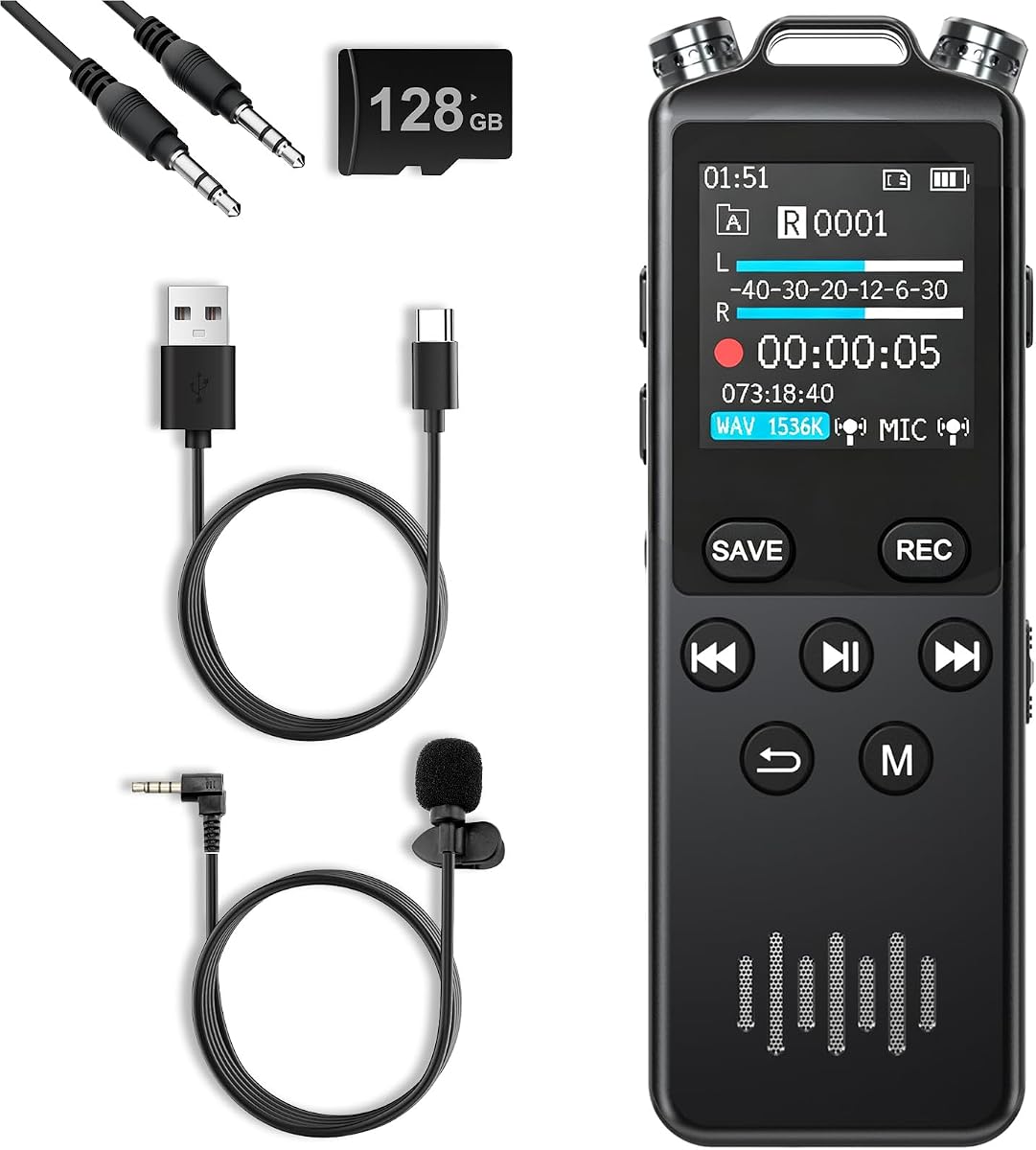
This recorder holds up to 11500 hours of recordings. With a 5.0 rating it is reliable for long conferences. It supports 1536Kbps HD stereo capture. The 1100mAh battery offers 68+ hours of use.
We may earn a commission when you buy through this link, at no additional cost to you.
One-click record and save ensure you never miss an idea. Password protection keeps files private. Multiple modes like meeting or outdoor adapt to needs. It is secure and portable for daily use.
It lacks advanced streaming interfaces. The controls are simpler than pro units. These trade-offs are acceptable for long sessions. It delivers security and capacity for professionals.
Best for those needing huge storage. The battery is long-lasting. Password protection adds security. Choose this if you need a reliable portable device for daily lectures.
160GB storage supports over 11500 hours of recordings.
Built-in password protection keeps sensitive files private.
We may earn a commission when you buy through this link, at no additional cost to you.
Choosing the right audio recorder involves balancing several factors to match your specific streaming requirements. This guide breaks down the essential elements to consider.
High fidelity is crucial for engaging content. Look for devices that support 32-bit float to ensure clear sound.
Prioritize recorders with high sample rates and low noise floors for professional results.
Streaming often requires direct USB connections. Ensure the device has USB-C ports for seamless integration with computers.
Multiple inputs like XLR allow connecting external mics for better capture quality.
Long sessions need reliable power. Choose models that run on standard batteries or offer long continuous use.
Opt for units with over 15 hours of life to prevent interruptions during live streams.
High-quality audio consumes space. Select recorders that support large SD cards to store extended sessions.
Look for devices supporting up to 1TB cards for maximum flexibility.
Field work demands lightweight tools. Pick models that are compact and easy to carry.
Ensure the device fits easily in a bag for location work.
Complex interfaces slow down workflows. Choose recorders with intuitive menus and clear displays.
Opt for units with accessible features to streamline your process.
Versatile inputs handle various microphones. Ensure compatibility with XLR and TRS jacks.
Look for devices supporting both microphones and instruments for all needs.
Robust build quality is essential for field use. Select devices made with zinc alloy or sturdy plastics.
Choose models with weather-resistant features for outdoor recording.
Start by connecting your external microphones to the XLR inputs. Ensure all cables are secure before recording to avoid interference.
Calibrate your levels using the display. Set them just below the clipping point for optimal sound.
Store recordings on a dedicated SD card. Format the card regularly to maintain performance.
A 32-bit float depth is ideal as it prevents clipping. This ensures you capture clean audio regardless of volume levels.
Use a USB-C cable to connect directly. Select the audio interface mode in the settings for proper recognition.
Yes, formatting ensures compatibility. Use a high-speed card to handle large files efficiently.
Many models support this. Check for a USB mic mode to enable streaming directly from the device.
Typically 15 to 70 hours. Rechargeable models extend usability significantly. Carry spares for long days.
XLR inputs are standard. Ensure the device has TRS combos for other instruments to connect easily.
We reviewed ten top recorders offering diverse solutions for streaming. Each model brings unique strengths in sound and connectivity.
Prioritize audio quality and USB streaming capabilities when deciding. Choose the Zoom H4 Essential for the best balance.
Always check current availability before purchasing. Ensure you get the best value for your creative workflow today.