
Handheld Fish Finder Portable Fishing Kayak
4.2Editor score
Portable neck strap included
Works in fresh and salt water
4 5 hour battery life
Finding a reliable cheap depth finder does not mean you have to compromise on essential features or durability. Anglers need clear readings and easy setup regardless of their budget. This guide highlights models that deliver value without breaking the bank.
We evaluated each product based on sonar clarity, display visibility, ease of installation, and overall build quality. Our team analyzed user feedback and technical specifications to ensure every pick offers genuine performance for everyday fishing scenarios on various bodies of water.
Each selection includes detailed insights into key specs and real world capabilities. Please note that prices fluctuate frequently so check current listings before purchasing. We aim to help you save time while finding a device that matches your specific fishing style and vessel type.
4.2Editor score
4.6Editor score

4.5Editor score
As an Amazon Associate we earn from qualifying purchases.
The following table offers a side by side overview of all ten models included in this review. Compare key specifications at a glance to determine which device aligns best with your budget and fishing requirements.


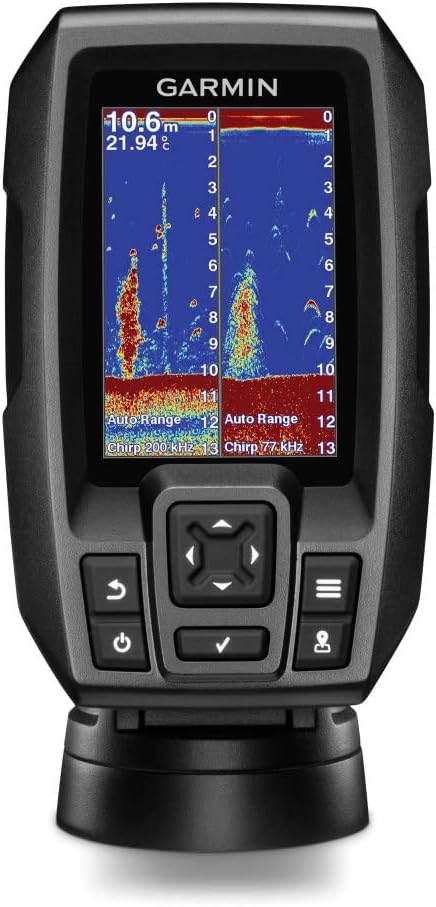
The Garmin Striker 4 stands out as a top contender for anglers seeking a reliable and affordable depth finder. With a strong user rating and proven performance in both freshwater and saltwater environments, it delivers consistent sonar readings. Its integration of GPS waypoint mapping sets it apart from many competitors in this price bracket.
We may earn a commission when you buy through this link, at no additional cost to you.
Its CHIRP sonar technology provides crisper fish arches and better target separation compared to standard pulse sonar. This means you can distinguish between individual fish and structure more easily. The device is straightforward to use with dedicated buttons and an interface that requires minimal learning time.
While it lacks a color screen, the clear monochrome display remains visible in bright sunlight. The IPX7 water rating ensures it can withstand accidental splashes or immersion. Some users might prefer more advanced charting features, but for basic depth and fish location, this unit excels.
This model is ideal for small boat owners or kayakers who need accurate depth data without spending excessively. If you value reliability and clear imaging over flashy features, the Striker 4 is a solid investment. It balances cost and capability effectively for everyday fishing trips.
The high frequency sonar provides near photographic images that help identify underwater structure and fish with high detail.
Use the waypoint map to mark brush piles, docks, or stumps and navigate back to productive spots easily.
We may earn a commission when you buy through this link, at no additional cost to you.
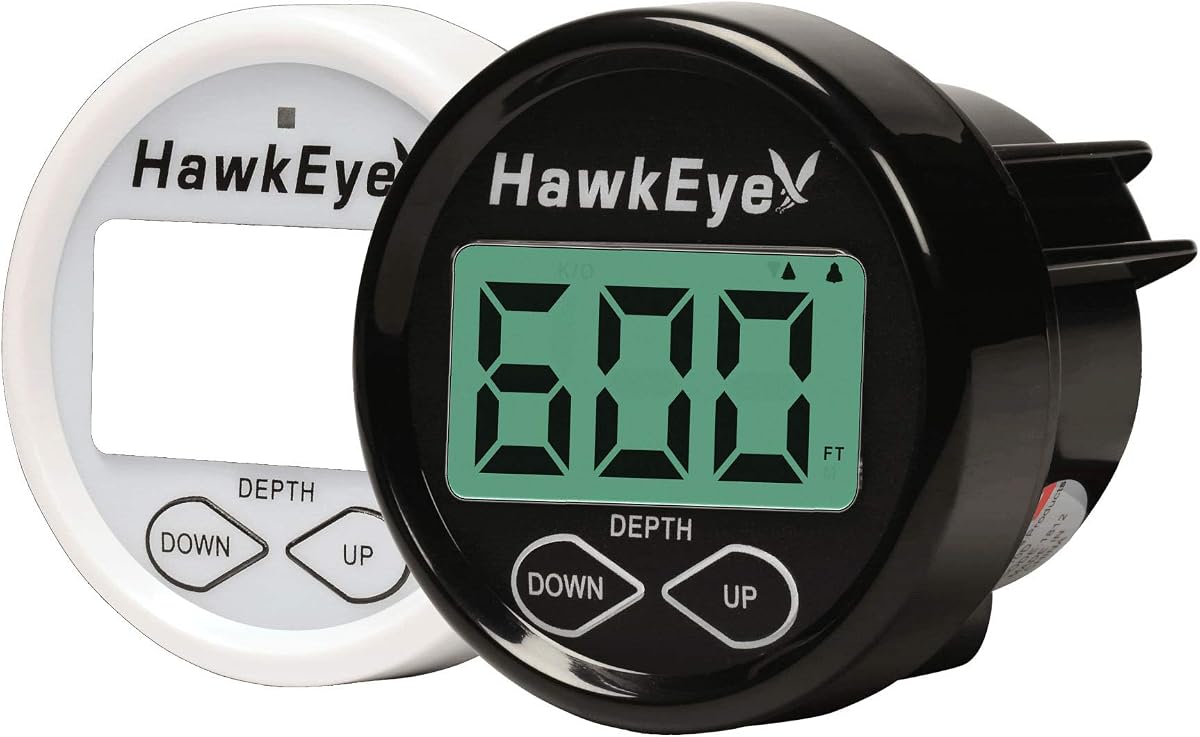
The DepthTrax 2B is designed for boat owners who want a permanent in-dash depth solution. It offers uninterrupted depth readings even when the vessel is moving up to 60 mph. The large display ensures readings are visible from the helm without constant adjustment.
We may earn a commission when you buy through this link, at no additional cost to you.
It includes a dual mount transducer that can shoot through solid fiberglass or thin aluminum hulls. The three stage warning system alerts you to shallow water with alarms and lights. Algorithmic programming reduces false readings for greater precision in various water conditions.
Installation requires drilling or gluing depending on your hull type, which may be a barrier for temporary users. However, the polarized LCD display works well even with sunglasses on. It is a robust choice for dedicated boats where space allows for flush mounting.
Choose this unit if you prioritize a permanent display over portability. It provides reliable depth data for navigation and fishing alike. The anti-glare cover and bright alerts make it practical for day long outings on lakes or rivers.
The transducer supports mounting through fiberglass or aluminum hulls up to a specific thickness for flexible installation.
An ultra bright red LED warning light and audible alarm ensure you notice shallow water immediately.
We may earn a commission when you buy through this link, at no additional cost to you.
This handheld fish finder is perfect for anglers on a strict budget who still need accurate depth and fish location data. It is lightweight and portable enough to take anywhere from a kayak to a dock. The four AAA battery setup ensures you can keep fishing without charging worries.
We may earn a commission when you buy through this link, at no additional cost to you.
It uses sonar to detect water depth and fish schools with a 200 kHz frequency. The LCD display shows depth and approximate fish size clearly. Sensitivity settings allow you to adjust for different water conditions like clear or turbid water.
The device is suitable for use in both freshwater and saltwater environments. A neck strap allows for hands free operation while handling gear. However, battery life is limited to about five hours of continuous use which may require spares on long trips.
Ideal for casual anglers or beginners, this unit offers essential functions without complexity. It is a great gift for someone starting out in fishing. For its price, it delivers consistent performance and ease of use.
Designed to work effectively in both fresh and salt water for diverse fishing locations.
Comes with a neck strap to wear the device while you are busy on your kayak or boat.
We may earn a commission when you buy through this link, at no additional cost to you.
The LUCKY FFC1108 is tailored for anglers using kayaks or small boats who need portable depth data. Its handheld display and transducer setup allow for easy movement between spots. The device shows fish depth and water depth clearly on a backlit screen.
We may earn a commission when you buy through this link, at no additional cost to you.
You can switch between feet and meters for depth measurement preferences. It also displays weeds and rocks on the bottom which helps avoid snags. The sensor can be attached to the hull or held by hand while moving at slow speeds.
Battery life lasts around four to five hours with new batteries. An alarm sounds when fish pass by to alert you quickly. This feature is useful when focusing on other tasks. However, the transducer must be manually placed or cast each time.
This model is excellent for shore or kayak anglers needing a lightweight solution. The adjustable sensitivity works well in various water conditions. It provides essential data without bulky cables or mounting requirements.
Measurement units can be freely switched between feet and meters to match your preference.
The display remains visible in sunshine or darkness by turning on the backlight feature.
We may earn a commission when you buy through this link, at no additional cost to you.
Humminbird is a respected name in fish finding and the PiranhaMAX 4 offers solid entry level performance. Its dual beam sonar lets you choose between narrow detail or wide coverage. This helps identify fish and structure effectively without needing high end models.
We may earn a commission when you buy through this link, at no additional cost to you.
The tilt and swivel mount allows you to adjust the viewing angle easily. This is helpful for different boat setups or seated positions. The device comes with a transom mount transducer which is standard for many small boats.
While it lacks GPS, the depth and fish readings are reliable. The display is basic but functional for daily use. A one year limited warranty provides peace of mind for buyers. It is a straightforward tool for those prioritizing sonar quality.
Ideal for anglers who want a proven brand at an accessible price. It balances simplicity with useful features for detecting fish. This model serves well for casual fishing trips or as a backup unit.
Choose from a narrow beam for detail or a wide beam for generous coverage area.
Quickly adjust your viewing area angle with the included tilt and swivel mount.
We may earn a commission when you buy through this link, at no additional cost to you.
The Lowrance Eagle brings an IPS screen to the budget friendly category ensuring visibility in bright sunlight. The portrait design fits well in tight spaces on smaller boats. Auto-Tuning Sonar optimizes settings automatically so you spend less time adjusting.
We may earn a commission when you buy through this link, at no additional cost to you.
Fish identification is simplified with clear icons and depth markers. You can zoom without an audible alarm for a closer look at structure. The twist-lock connector makes connecting and removing the display simple during maintenance.
This unit is built for ease of use and minimal setup hassle. It provides a broad beam for kayaks and small boats. While it does not offer complex mapping, it delivers reliable depth and fish data for daily fishing.
Choose this model if you value screen clarity and quick setup. It is perfect for anglers who want to focus on fishing rather than tech. The compact form factor makes it versatile for various vessel types.
Automatically provides optimized settings so you can focus on finding fish without manual tuning.
Makes connecting and removing the display simple with a compact portrait design for limited spaces.
We may earn a commission when you buy through this link, at no additional cost to you.
This handheld device excels at detecting water depth and temperature quickly with updates four times per second. It is suitable for ice fishing as well as kayak and shore fishing. The contour readout helps visualize the bottom structure clearly.
We may earn a commission when you buy through this link, at no additional cost to you.
A unique feature is the two-color lure fish lamp which may attract light sensitive fish. The unit is water resistant and durable enough to withstand splashing. It can also function as a depth finder for snorkeling up to 100 feet deep.
The design is lightweight and stylish making it a great gift for enthusiasts. It offers depth readings from 2.5 to 300 feet. While it is not complex, it covers essential needs for varied fishing styles.
Perfect for anglers who need quick data without heavy equipment. The fish lamp adds a unique benefit for specific species. It is a versatile tool for seasonal fishing trips.
Depth data updates four times per second providing real time feedback on the water below.
The two-color fish lamp can attract light sensitive fish when needed.
We may earn a commission when you buy through this link, at no additional cost to you.
The LUCKY MT-202 offers the freedom of wireless sonar with an impressive operation distance. You can cast the sensor like a bobber and view data on the handheld display. This eliminates the need for brackets or complex wiring on small boats.
We may earn a commission when you buy through this link, at no additional cost to you.
It reveals exact fish depth and location relative to structure for better accuracy. The display scrolls from right to left showing a continuous history of what passed under the sensor. This helps track fish movement and locate previously seen structures.
The device is lightweight and portable enough to carry anywhere. It works in all seasons and water types without needing setup changes. While the scan depth is shorter than wired units, the wireless benefit is significant for shore or kayak anglers.
Ideal for those who want advanced wireless tech at a reasonable price. The rechargeable battery ensures long term usability. It turns guesswork into success with precise location data.
Experience ultimate freedom with 853 feet operation distance and no wires or limits.
The screen scrolls to show continuous history of what passed under your sensor.
We may earn a commission when you buy through this link, at no additional cost to you.
The Hawkeye DT1H is a straightforward handheld depth finder that also tracks water temperature. This is useful for identifying temperature layers where fish might be active. It is designed for simple operation and quick depth checks.
We may earn a commission when you buy through this link, at no additional cost to you.
Its compact size fits easily in a tackle box or pocket. The display shows depth and temp without complex menus. While it lacks advanced sonar features, it does the core job well for casual use.
Battery power keeps it running without a need for charging. It is a good backup tool for shore or ice fishing. The brand is known for durability in basic electronics.
Choose this if you need a simple temp and depth reader. It is lightweight and easy to carry on every trip. For basic needs it performs reliably.
Includes temperature readings which help identify layers where fish are likely active.
The device is small enough to fit easily in a tackle box or pocket.
We may earn a commission when you buy through this link, at no additional cost to you.
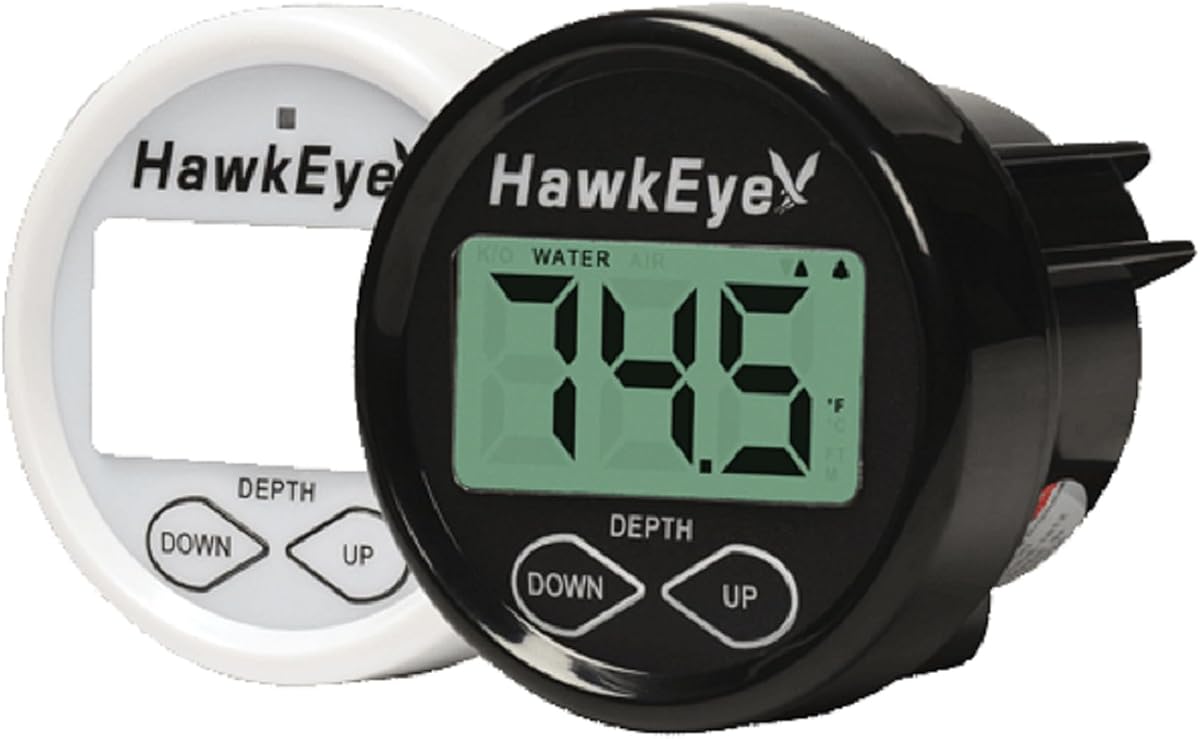
The HawkEye DT2BX-TM provides both air and water temperature readings on a backlit display. This dual temp feature is rare at this price point and helps plan fishing strategies. It fits into an in-dash setup for a clean look on the boat.
We may earn a commission when you buy through this link, at no additional cost to you.
Readings are displayed in Fahrenheit or Celsius depending on preference. The three stage warning system alerts you to shallow water effectively. A storage sun cover ensures spot free viewing with or without sunglasses.
It requires a two inch hole for flush mounting which means permanent installation. The transducer comes with thirty feet of cable for easy reach. Algorithmic programming reduces false readings for greater precision.
Ideal for boat owners wanting air and water data together. The alarm muting is convenient during noisy conditions. It is a practical choice for navigation and fishing combined.
Displays water or air temperature in degrees Fahrenheit or Celsius.
One-touch alarm muting makes it easy to silence the alarm during loud engine noise.
We may earn a commission when you buy through this link, at no additional cost to you.
Selecting the right depth finder depends on your boat type and how you fish. This guide outlines key factors to consider before buying.
Transducers come in transom mount, in-hull, or handheld styles. Transom mounts are easiest for boats while handhelds suit kayaks. Ensure compatibility with your hull material.
Choose a transducer that fits your mounting needs for reliable data.
Basic sonar gives depth and fish arches while CHIRP offers better detail. High frequency sonar is clearer in shallow water. Look for units that balance cost with clarity.
Prioritize CHIRP if structure separation is a priority.
Larger displays help in bright sunlight. IPS screens offer wider viewing angles. Ensure the screen is visible with or without polarized sunglasses.
A backlit display is essential for low light conditions.
Check the maximum depth range matches your fishing waters. Saltwater models often have different depth limits than freshwater ones. Verify the range covers your typical fishing spots.
Ensure the depth limit meets your specific environment needs.
Permanent mounts require drilling but handhelds offer flexibility. Consider if you need a permanent in-dash or portable solution. Some models include brackets for easier setup.
Select a mount type that suits your boat or vessel style.
Some units run on AAA batteries while others need 12V DC. Portable units rely on internal batteries. Check battery life to ensure it lasts your trip.
Match power needs to your available energy sources.
Water resistance ensures the device survives splashes. Look for ratings like IPX7 for full protection. This is crucial for marine environments.
Always check the IP rating before buying.
Features like GPS waypoint mapping add navigation help. Temperature readings can indicate fish activity. Choose features you will actually use to keep costs down.
Focus on essentials to maintain affordability.
Begin by mounting the transducer securely on your boat or vessel. Ensure it is flat and free of air bubbles for accurate readings. Follow the manual for proper placement near the stern or center.
Power on the unit and wait for it to initialize. Set the language and unit preferences like feet or meters. Adjust sensitivity to reduce clutter and improve fish detection.
Rinse the device with fresh water after saltwater use to prevent corrosion. Store it in a dry place away from direct sunlight. Regularly check batteries or cables for wear.
Yes many cheap depth finders work in saltwater if they are water resistant. Check the manual to confirm saltwater compatibility before use. Proper cleaning after saltwater trips is essential to maintain performance.
Most cheap units offer between 300 and 600 feet depth range. Some go up to 1600 feet in freshwater. Choose a unit that covers your typical fishing spot depth.
Yes most require a transducer either mounted or handheld. Handheld transducers are easy to use without drilling. Transom mounts provide more stability for moving boats.
Battery life varies from four to ten hours depending on usage. Some use AAA batteries others have internal rechargeable cells. Carry spares for long fishing trips to avoid running out.
Yes sonar detects both fish and underwater structure like rocks. CHIRP models offer better separation between objects. Look for units with clear image scanning for more detail.
Many handheld models work well for ice fishing. They are portable and easy to use over ice holes. Ensure the display remains visible in cold conditions.
Choosing a cheap depth finder does not mean sacrificing essential performance. The top picks cover a range of budgets and fishing styles. From portable handhelds to in-dash options there is something for everyone.
Prioritize sonar clarity and battery life for reliable use. Match the unit to your boat size and typical waters. Investing in the right features saves money over time.
Remember that prices change so check current listings before buying. We hope this guide helps you find a unit that enhances your fishing experience.