
Canon EF 100-400mm f/4.5-5.6L IS USM Lens
4.0Editor score
Professional L-series build
Advanced optical construction
Compatible with teleconverters
This guide compares the top 10 camera lenses for long distance wildlife photography including budget and premium options to help you capture sharp images.
Choosing the right camera lens for long distance wildlife photography is essential for capturing sharp and detailed images of animals in their natural habitats. Whether you are tracking birds in flight or observing mammals from a safe distance, having a lens with sufficient reach and optical quality makes a significant difference in your final results.
We have carefully evaluated a wide range of telephoto lenses to determine which models offer the best performance for wildlife enthusiasts. Our comparison considers factors like focal length, image stabilization, autofocus speed, and overall build quality to ensure you find a lens that meets your specific needs and shooting style.
Each pick in this list highlights key features and trade-offs to help you make an informed decision. Please note that prices and availability can change over time so always check the latest information before making your purchase to ensure you get the best value for your investment.
4.0Editor score
4.7Editor score
4.0Editor score
The following table provides a side-by-side comparison of the top ten lenses evaluated in this guide. Use this overview to quickly identify key specifications and decide which model aligns best with your photography goals and budget constraints.



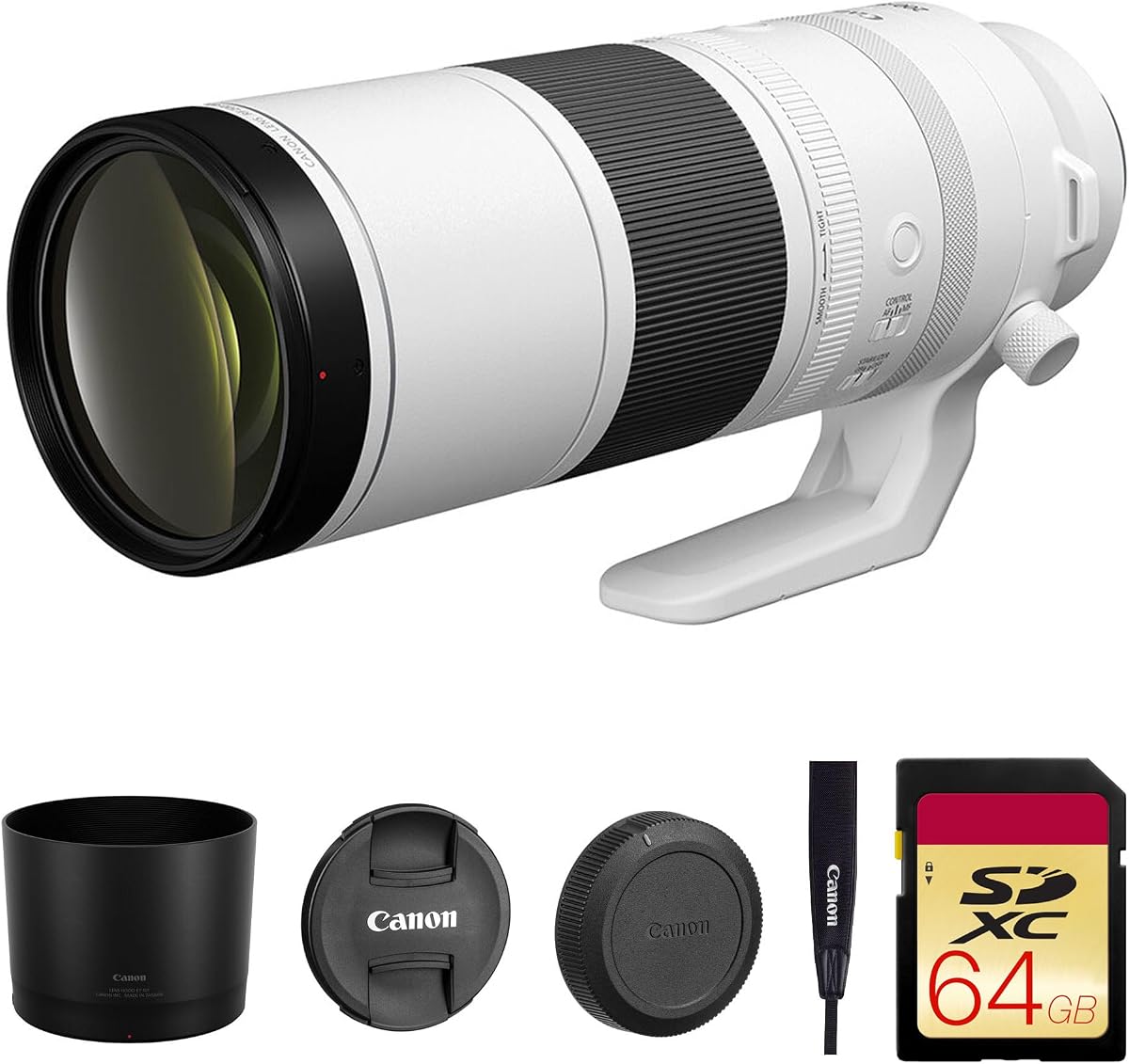
This Canon RF lens stands out as a top choice for wildlife photographers needing extreme reach without excessive weight. It carries a high rating for its ability to capture distant subjects with clarity and precision.
We may earn a commission when you buy through this link, at no additional cost to you.
The standout quality lies in its zoom range which extends from 200mm to 800mm making it ideal for birds and elusive animals. The built-in image stabilization allows for handheld shooting even at full zoom ensuring sharp results in various lighting conditions.
While the aperture narrows at longer focal lengths the lens compensates with fast autofocus and optical sharpness. The trade-off is acceptable for photographers prioritizing reach and portability over constant wide aperture performance.
Wildlife enthusiasts who own Canon EOS R series cameras should strongly consider this lens for its unmatched versatility and performance in the field.
The lens offers a powerful 4x zoom range allowing photographers to frame subjects tightly or pull back for context without changing lenses.
With built-in image stabilization users can shoot handheld at slower shutter speeds without blur making it easier to track moving wildlife.
We may earn a commission when you buy through this link, at no additional cost to you.
This lens represents a significant leap in telephoto technology for mirrorless systems. It brings an 800mm telephoto end to a compact package that remains easy to carry on outdoor adventures.
We may earn a commission when you buy through this link, at no additional cost to you.
Its primary strength is the ability to maintain autofocus performance throughout the zoom range which is rare for lenses of this reach. The optical design ensures that images remain sharp and clear from 200mm to 800mm.
The main limitation is the variable aperture which can reduce light intake at the long end of the zoom. However this is offset by the lenses stabilization and fast autofocus motor.
Photographers looking for a versatile super-telephoto option for Canon RF cameras will find this lens delivers professional results in wildlife and sports scenarios.
You can pair this lens with RF extenders to push reach even further while maintaining autofocus capabilities across all focal lengths.
The lens utilizes the RF mount advantages to keep the design compact without sacrificing image quality or speed.
We may earn a commission when you buy through this link, at no additional cost to you.
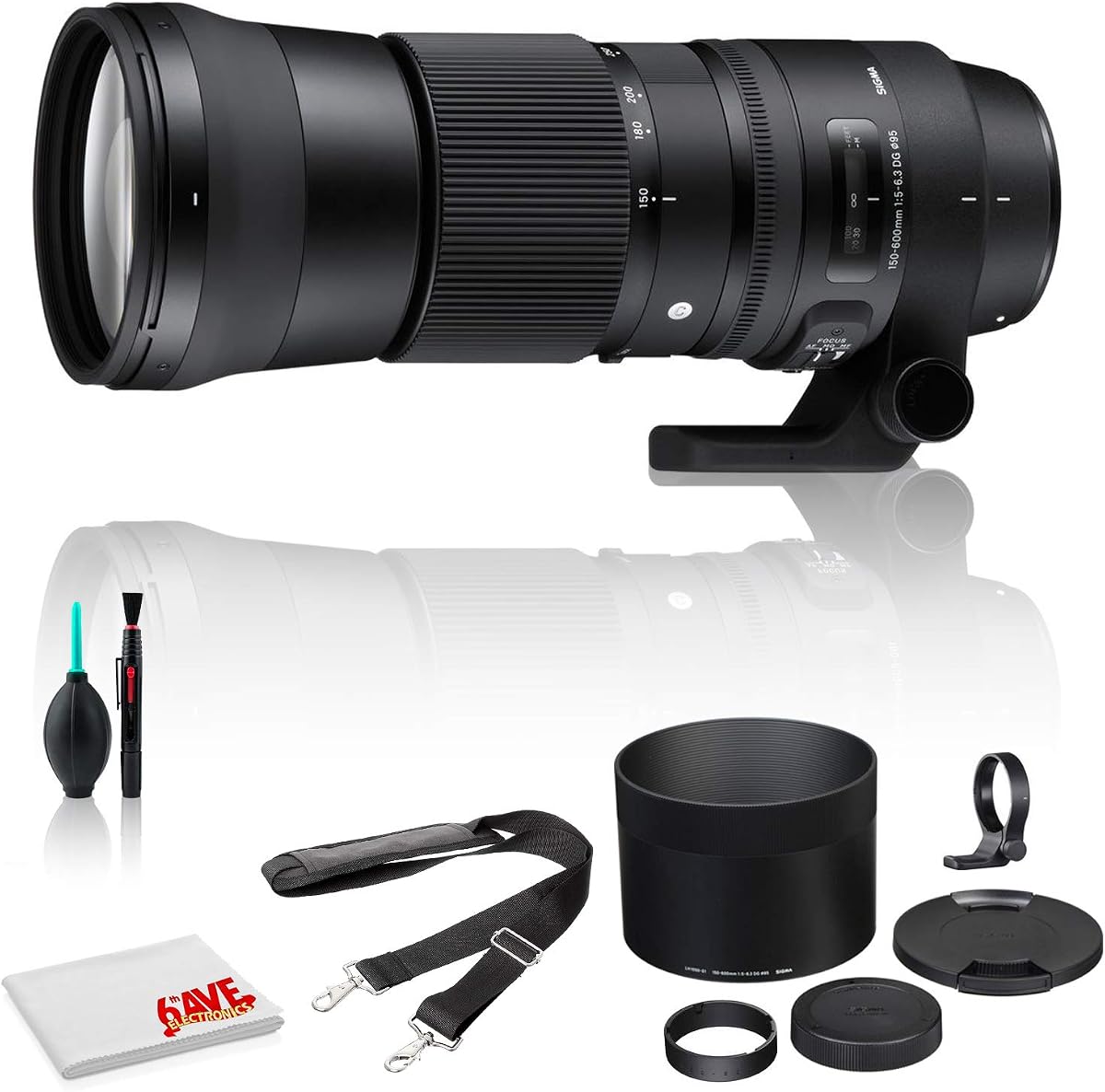
The Sigma Contemporary lens offers a compelling balance of performance and affordability for Canon EF mount users. It is a favorite among wildlife photographers who need substantial reach without breaking the bank.
We may earn a commission when you buy through this link, at no additional cost to you.
Key strengths include its wide zoom range which covers both mid-range and extreme telephoto needs. The Hyper Sonic Motor ensures quick and quiet focusing which is crucial for skittish animals in the wild.
On the trade-off side the lens is quite large and heavy which may require a sturdy tripod or monopod for prolonged use. The aperture also decreases as you zoom out but this is standard for this class.
This is an excellent choice for those transitioning into serious wildlife photography or needing an alternative to more expensive first-party options.
It includes one FLD and three SLD elements to minimize chromatic aberrations and ensure high sharpness throughout the zoom range.
The Optical Stabilizer with accelerometer helps reduce camera shake allowing for sharper handheld shots in varying conditions.
We may earn a commission when you buy through this link, at no additional cost to you.
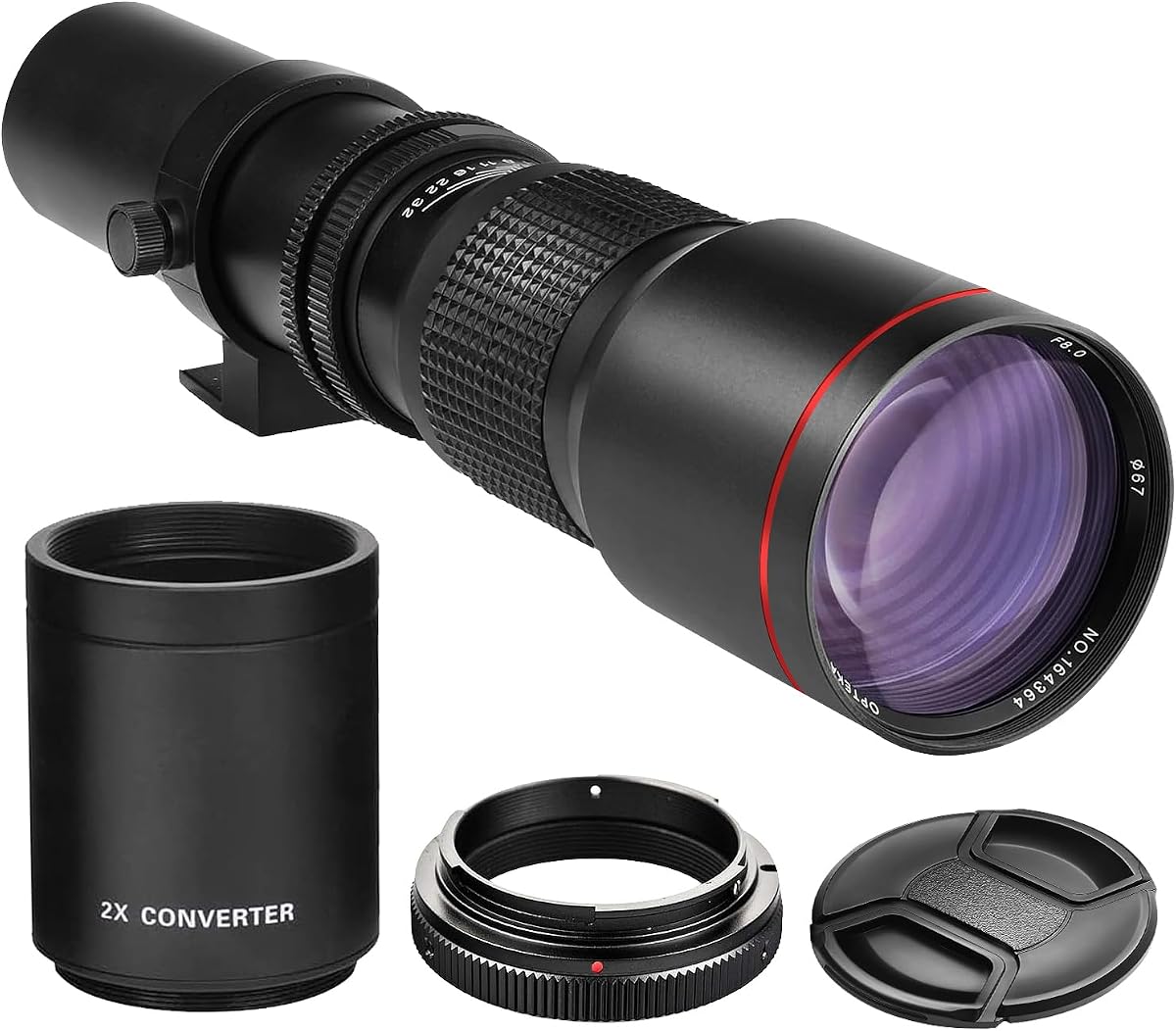
For budget-conscious photographers this manual telephoto lens provides access to extreme focal lengths that are otherwise out of reach. It is designed for those who prefer manual control and do not mind the lack of autofocus.
We may earn a commission when you buy through this link, at no additional cost to you.
Its primary benefit is the ability to reach up to 1000mm with the included teleconverter making it possible to photograph very distant subjects like birds or wildlife from far away. The glass is multi-coated for clarity.
The manual focus requires patience but allows for precise adjustments in static scenes. The limitation is the fixed aperture which limits low-light performance and depth of field control.
This lens is ideal for hobbyists or beginners who want to experiment with super-telephoto photography without investing in expensive professional equipment.
The 2X Teleconverter doubles the power to 1000mm bringing subjects closer than ever before for detailed shots.
Manual focus and aperture settings give you full control over your shots allowing for unique artistic expression.
We may earn a commission when you buy through this link, at no additional cost to you.
This professional grade lens is designed for serious photographers who need reliable performance in the field. It features Canon L-Series build quality and advanced optical elements for superior image results.
We may earn a commission when you buy through this link, at no additional cost to you.
The lens offers a versatile focal range and excellent stabilization that helps in low light or when shooting handheld. The ring-type USM autofocus provides quick and silent focusing which is essential for wildlife.
Trade-offs include a higher price point and a zoom tension lock that some might find limiting compared to electronic zoom systems. However the build quality justifies the cost for many professionals.
Wildlife photographers using Canon DSLRs should consider this lens for its blend of speed, quality, and versatility in capturing dynamic action.
It uses fluorite and UD elements to minimize aberrations and maintain consistent sharpness throughout the zoom range.
Features include a rotating tripod collar and durable construction to withstand the rigors of outdoor shooting.
We may earn a commission when you buy through this link, at no additional cost to you.
This lens pushes the limits of reach with a zoom range up to 1600mm making it one of the most extreme options available. It is designed for photographers who prioritize distance over automatic features.
We may earn a commission when you buy through this link, at no additional cost to you.
The main strength is its ability to bring very distant subjects into focus with clarity. The optical design ensures crisp images at 420mm and maintains detail at maximum reach with the teleconverter.
The trade-offs are significant as manual focus and fixed aperture limit its use to static or predictable subjects. However the price point makes it accessible for hobbyists.
Ideal for birdwatchers or nature enthusiasts on a budget who need maximum reach for distant wildlife observations.
The 2X Teleconverter doubles the power to 1600mm allowing you to capture subjects that are miles away.
High definition glass ensures photos are crisp and clear highlighting your subject matter beautifully.
We may earn a commission when you buy through this link, at no additional cost to you.
This RF lens is a fantastic option for photographers who value portability without sacrificing image quality. It is one of the lightest telephoto lenses available for mirrorless systems.
We may earn a commission when you buy through this link, at no additional cost to you.
Its standout feature is the advanced image stabilization which works with in-body stabilization for up to six stops of correction. This makes handheld shooting much easier in various conditions.
The trade-off is the variable aperture which can get narrow at 400mm limiting low-light performance. However the autofocus is fast and smooth for tracking moving subjects.
It is an excellent choice for travelers or those new to wildlife photography who want a versatile and compact lens for their EOS R camera.
With up to 5.5 stops of shake correction it allows for sharp handheld shots even at the longest focal lengths.
The autofocus is high speed and quiet ensuring you capture fleeting moments without missing the shot.
We may earn a commission when you buy through this link, at no additional cost to you.
This lens is a classic entry-level option for Canon DSLR users looking to experiment with telephoto photography without a large investment. It is light and easy to handle on outdoor walks.
We may earn a commission when you buy through this link, at no additional cost to you.
The primary benefit is its low cost and portability making it accessible for beginners or casual photographers. The zoom ring is smooth and allows for easy framing of distant subjects.
The main trade-off is the lack of image stabilization which means you need to hold the camera very steady at longer focal lengths. Optical quality is decent but not professional grade.
It is a good starting point for those learning the basics of wildlife photography before upgrading to more advanced equipment.
The zoom ring features a silver design and operates smoothly for better handling during shoots.
It measures only 4.8 inches long and weighs 16.8 ounces making it easy to pack in any bag.
We may earn a commission when you buy through this link, at no additional cost to you.
This Nikon lens is a favorite among bird and wildlife photographers using DSLR systems. It offers a constant aperture and excellent reach in a single zoom lens package.
We may earn a commission when you buy through this link, at no additional cost to you.
Key strengths include the Silent Wave Motor for fast focusing and the Vibration Reduction system which provides up to 4.5 stops of stabilization. This helps in capturing sharp images of moving animals.
The trade-off is that the lens is heavy and requires a tripod for best results. It is also designed primarily for Nikon DSLR bodies so not compatible with mirrorless cameras without adapters.
It is a robust choice for dedicated wildlife photographers who need reliable performance and do not mind the weight of a larger lens.
The VR system minimizes camera shake allowing for sharp handheld images even at 500mm.
Fast and silent autofocus ensures accurate tracking without disturbing the wildlife you are observing.
We may earn a commission when you buy through this link, at no additional cost to you.
This renewed version of the classic Canon telephoto lens offers a way to own a functional zoom at a fraction of the cost. It has been tested and certified to work properly.
We may earn a commission when you buy through this link, at no additional cost to you.
The main advantage is the significant savings compared to new units while still providing a decent telephoto experience. It is perfect for beginners or as a backup lens in your kit.
Trade-offs include the condition which may have minor cosmetic wear and the lack of stabilization common to this model. However for basic telephoto needs it performs well.
It is a smart buy for those looking to save money without compromising on the essential function of a zoom lens.
It fits seamlessly on Canon DSLRs ensuring easy integration with your existing camera system.
The improved mechanism allows for smoother zooming for better control over your composition.
We may earn a commission when you buy through this link, at no additional cost to you.
Selecting the right lens for wildlife photography involves considering several critical factors that affect image quality and usability in the field. This section breaks down the most important features to help you find the best fit for your needs.
Focal length determines how close you can get to your subject. For wildlife photography lengths from 300mm to 800mm are common to ensure you do not disturb animals while capturing detailed shots. Higher focal lengths allow for tighter framing but often come with increased size and weight.
Choose a focal length based on the type of wildlife you shoot and how close you can safely approach them.
A wider aperture allows more light to enter the lens which is crucial for shooting in low light or capturing fast motion with faster shutter speeds. Constant aperture lenses maintain brightness throughout the zoom range but are often more expensive and heavier.
For most wildlife scenarios a variable aperture is acceptable as long as the stabilization is strong enough to compensate.
Wildlife often moves quickly so a fast and accurate autofocus system is essential. Motors like USM or Silent Wave provide quick focusing and track moving subjects effectively without hesitation.
Look for lenses with dedicated wildlife or tracking modes to improve your success rate with active animals.
Stabilization helps reduce blur caused by camera shake especially at long focal lengths. In-lens stabilization allows for sharper handheld shots and is vital if you do not use a tripod.
Prioritize lenses with effective IS systems to maximize your usable shooting time in the field.
Telephoto lenses can be heavy which impacts how long you can carry them comfortably. A lighter lens is easier to handle for hikes and extended periods but might compromise on build quality or optics.
Balance the weight with your physical ability and how much time you spend outdoors to find the right choice.
Outdoor photography exposes equipment to dust, moisture, and rough handling. Look for lenses with weather sealing and robust construction to ensure they last through various conditions.
Investing in a durable lens protects your investment and ensures reliability in unpredictable environments.
Ensure the lens is compatible with your camera body whether it is DSLR or mirrorless. Some lenses offer extenders for more reach but this depends on the specific mount and sensor size.
Check the compatibility details before purchasing to avoid the need for adapters or additional accessories.
Telephoto lenses vary widely in price from budget-friendly manual options to professional-grade automated lenses. Determine your budget early and look for the best value that meets your essential requirements.
Consider refurbished or bundle options to get more features for your money without sacrificing performance.
To get the best results always start by setting your camera to a high shutter speed to freeze motion when shooting wildlife. Use continuous autofocus mode to track moving animals effectively and ensure your lens stabilization is turned on unless you are using a tripod.
Keep your lens clean by using a soft cloth and lens cleaner to remove dust and moisture that can affect image quality. Store the lens in a dry and padded bag to protect it from impact and humidity which can damage internal elements.
Practice panning with moving subjects to improve your tracking skills and get sharper action shots. Regularly check for firmware updates on your camera and lens to ensure optimal performance and compatibility with new features.
For most wildlife scenarios a focal length of 400mm or more is recommended to capture detailed images from a safe distance. Birds often require 600mm to 800mm while mammals can be shot well at 300mm to 600mm depending on your access.
While many modern lenses have stabilization allowing handheld shooting a tripod is highly recommended for long focal lengths to ensure sharpness. It also reduces fatigue during long sessions and allows for better composition.
Yes crop sensor cameras effectively increase the reach of your lens by a crop factor such as 1.5x or 1.6x. This means a 400mm lens on a crop body gives a similar field of view to a 600mm on full frame.
Manual lenses are cheaper and simpler but autofocus is generally preferred for wildlife to track moving subjects quickly. Manual focus is better for static subjects or for photographers on a strict budget.
Use a rain cover or a plastic bag to shield your lens during wet conditions. Keep silica gel packets in your camera bag to absorb humidity and wipe the lens surface after exposure to moisture to prevent damage.
Prime lenses have a fixed focal length and often offer wider apertures and sharper images. Zoom lenses allow you to adjust the focal length which provides flexibility but may have variable apertures and slightly more complex optics.
Image stabilization is very helpful for handheld shooting especially at long focal lengths where camera shake is magnified. It allows for slower shutter speeds and reduces the need for a tripod in many situations.
Yes many telephoto lenses are compatible with teleconverters that increase focal length by 1.4x or 2x. However this reduces light intake and autofocus speed so it is best to test compatibility with your specific lens.
In this guide we reviewed ten top lenses for long distance wildlife photography ranging from professional RF lenses to budget manual options. The Canon RF 200-800mm leads as our top choice for its unmatched reach and stabilization in a compact design.
When choosing prioritize factors like autofocus speed, image stabilization, and weight to ensure the lens fits your shooting style and physical capabilities. Consider both your current camera body and potential upgrades to make a future-proof decision.
Prices and availability can fluctuate so always check the latest deals before making your final purchase. Investing in the right lens will elevate your wildlife photography and help you capture stunning images of nature.