
DY-50 Intraoral Camera Dental Camera
4.5Editor score
Works with major software
Ergonomic design
Anti-fog lens
This guide compares the top cameras for dental photography to help professionals capture clear intraoral images and improve patient communication and case
Finding the right camera for dental photography is crucial for capturing clear images that help patients understand their treatment needs. A good dental camera should offer sharp focus, easy integration with imaging software, and ergonomic design for comfortable use during procedures.
We compared ten leading options ranging from specialized intraoral cameras to versatile DSLR and mirrorless systems. Our analysis focused on image quality, ease of use, software compatibility, and value to help you make an informed decision for your practice.
Each pick highlights specific strengths whether you need dedicated clinical tools or flexible imaging solutions. Prices and availability may change so check current listings before purchasing to ensure you get the best deal for your specific dental imaging requirements.
4.5Editor score
4.4Editor score

4.5Editor score
The following table provides a side-by-side comparison of all ten cameras to help you quickly identify which model best fits your specific dental imaging needs and workflow requirements.


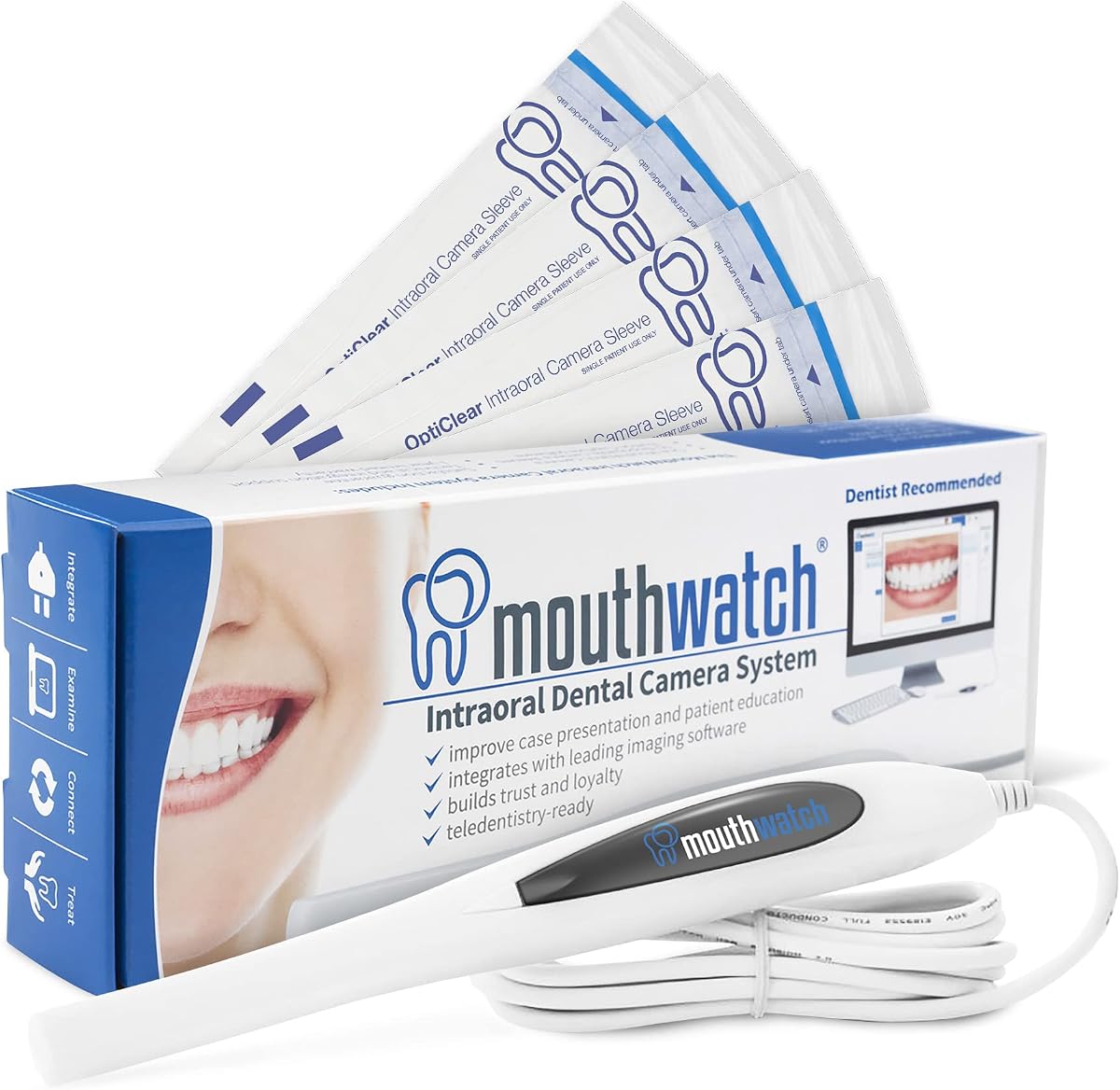
This intraoral camera stands out for its ability to capture clear well-illuminated images without lag helping dental professionals show patients exactly what they see. With a 4.4 rating it is designed to improve case comprehension and acceptance through reliable performance.
We may earn a commission when you buy through this link, at no additional cost to you.
The fixed focal distance eliminates manual focusing frustration while the single button operation saves time during patient interactions. Its compatibility with over 50 major imaging suites ensures seamless integration into existing workflows without needing extra hardware or complex setup.
While the fixed focal distance limits flexibility compared to zoom systems it ensures consistent image quality for routine intraoral shots. The reliance on proprietary capture software may require initial setup but comprehensive instructions and support make this manageable for most clinics.
This camera is ideal for practices seeking a reliable efficient tool to enhance patient communication and case acceptance. Its lightweight ergonomic design and robust integration options make it a top choice for daily clinical use across various dental imaging needs.
Clear well-lit images help patients visually understand treatment needs increasing case acceptance rates through improved comprehension during consultations.
Single button capture and quick integration save valuable time during appointments allowing professionals to focus on care rather than technical setup.
We may earn a commission when you buy through this link, at no additional cost to you.
The Canon EOS Rebel T7 DSLR offers exceptional image quality with its 24.1 Megapixel CMOS sensor making it suitable for detailed dental photography when paired with appropriate macro lenses. Its robust build and intuitive controls appeal to photographers seeking versatility.
We may earn a commission when you buy through this link, at no additional cost to you.
Features like built-in Wi-Fi and NFC allow seamless transfer of images to smartphones or tablets for quick sharing and documentation. The optical viewfinder provides a clear view for composition while the lens compatibility ensures access to specialized dental photography optics.
However its larger size and weight may be cumbersome for intraoral use compared to dedicated intraoral cameras. Manual focusing is typically required for close-up dental shots which can add time to procedures unless external focus aids are employed.
This camera is best for practices that need high-quality general photography alongside dental imaging or prefer DSLR control over specialized intraoral tools. Its versatility and image quality make it a strong option for clinics wanting to expand their imaging capabilities.
The 24.1MP APS-C CMOS sensor captures fine details essential for documenting dental work and patient progress with clarity and precision.
Built-in Wi-Fi and NFC facilitate instant transfer of images to mobile devices enhancing collaboration and record keeping workflows.
We may earn a commission when you buy through this link, at no additional cost to you.
This bundle extends the capabilities of the Canon EOS Rebel T7 by including essential accessories like a 64GB memory card and a shoulder bag for convenient storage and transport. It offers a comprehensive solution for users ready to start photography immediately.
We may earn a commission when you buy through this link, at no additional cost to you.
The 24.1MP APS-C CMOS sensor paired with the DIGIC 4+ processor delivers stunning true-to-life photos with vibrant colors and sharp details even in low light conditions. Intuitive automatic settings make it accessible for beginners transitioning into DSLR photography.
While the added accessories enhance value the camera itself is not designed specifically for intraoral use requiring additional macro lenses for close-up dental work. Its weight and bulk may also be less ideal for prolonged handheld intraoral imaging sessions.
This bundle is perfect for dental professionals who want a versatile camera for both general and dental photography with everything needed to begin. The included memory and bag offer immediate convenience while the image quality supports professional documentation needs.
Includes essential accessories like memory card and bag providing immediate readiness for photography sessions without extra purchases.
Advanced processing ensures vibrant accurate colors crucial for documenting tooth shades and treatment outcomes with precision.
We may earn a commission when you buy through this link, at no additional cost to you.
The Canon EOS R50 brings premium features to dental photography with its 24.2MP APS-C sensor and Dual Pixel CMOS AF II covering 100% area for precise focusing. It is designed to deliver stunning image clarity and fast performance suitable for dynamic clinical environments.
We may earn a commission when you buy through this link, at no additional cost to you.
Features like up to 15fps electronic shutter and 4K video capture allow for detailed documentation of procedures and patient interactions. The A+ Assist system enhances low-light performance ensuring clear images even in challenging lighting conditions without extra flash equipment.
Its premium features come at a higher cost and require Canon RF-S lenses which may limit compatibility with existing EF lens collections. While excellent for high-quality imaging it may be more than what some clinics need for standard intraoral documentation.
This camera is ideal for practices seeking top-tier imaging quality and video capabilities for patient education and documentation. Its advanced autofocus and compact design make it a powerful tool for professionals wanting to elevate their dental photography standards.
Dual Pixel CMOS AF II with subject detection ensures sharp focus on teeth and details even during complex imaging procedures.
4K video recording enables detailed procedural documentation and patient education materials with high fidelity and clarity.
We may earn a commission when you buy through this link, at no additional cost to you.
The Sony ZV-1 bundle combines a high-quality ZEISS lens with a lightweight compact body ideal for creating engaging content and documentation. Its 20.1MP 1-inch sensor captures crisp detail with stunning background blur suitable for highlighting dental work details.
We may earn a commission when you buy through this link, at no additional cost to you.
Designed for creators it features dedicated buttons for background defocus and product showcase mode which can be adapted to highlight specific dental features. The built-in 3-capsule microphone ensures clear audio for educational videos or patient explanations.
While versatile the fixed lens range may limit extreme close-up intraoral capabilities without additional adapters. Its size is manageable but still larger than dedicated intraoral cameras for direct intraoral imaging tasks.
This camera suits dental professionals focused on content creation social media and patient education through video and photos. Its portability and creator-friendly features make it a strong choice for practices wanting to expand their digital presence and patient engagement.
Dedicated buttons like product showcase mode allow quick adjustments to highlight dental details in videos and photos easily.
Built-in directional microphone isolates voices for clear audio in educational content and patient communication videos.
We may earn a commission when you buy through this link, at no additional cost to you.
This camera offers next-level clarity with its 8K video and 88MP high-resolution sensor capturing fine details suitable for detailed documentation. The dual-lens system provides flexible shooting angles making it versatile for various imaging needs beyond standard dental photography.
We may earn a commission when you buy through this link, at no additional cost to you.
Features like 16X digital zoom and WiFi transfer allow for close-up shots and easy sharing without cables. The large touchscreen enables intuitive control for framing and focusing which simplifies operation for users with varying technical expertise.
However digital zoom may reduce image quality compared to optical zoom and it lacks specialized features found in medical imaging cameras. It serves best as an entry-level or alternative option rather than a primary clinical intraoral tool.
This camera is best for practices on a budget needing a versatile imaging solution for general documentation and marketing. Its high resolution and digital features make it a compelling choice for users seeking advanced capabilities without a premium investment.
The 88MP sensor captures fine textures and details useful for detailed documentation and educational content creation.
Large touchscreen enables easy framing and focus adjustments enhancing usability for diverse imaging tasks.
We may earn a commission when you buy through this link, at no additional cost to you.
The DY-50 intraoral camera offers exceptional value with crystal clear pictures and compatibility with most North American imaging software. Its anti-fog non-spherical lens ensures clear visibility during procedures while the ergonomic design supports comfortable handling for extended use.
We may earn a commission when you buy through this link, at no additional cost to you.
With direct USB connection and automatic power-off features it integrates easily into existing workflows without extra hardware. The included capture button driver ensures functionality across major software platforms making setup straightforward for most dental practices.
While resolution is limited compared to higher-end systems it meets core needs for documentation and patient communication. Reliance on the capture driver means verifying software compatibility before purchase to ensure seamless integration.
This camera is ideal for small practices or budget-conscious professionals needing reliable intraoral imaging with broad software support. Its simplicity and performance balance make it a strong affordable option for daily clinical documentation needs.
Direct USB connection and broad software compatibility ensure quick setup and minimal disruption to existing clinical workflows.
Ergonomic design supports comfortable grip during repeated use reducing hand fatigue during lengthy procedures.
We may earn a commission when you buy through this link, at no additional cost to you.
The DARYOU DY-60 intraoral camera delivers 720P HD imaging with 4X zoom capability enhancing flexibility for detailed documentation. Its compatibility with major imaging software like Dexis and Carestream ensures smooth integration into existing practice workflows without additional hardware.
We may earn a commission when you buy through this link, at no additional cost to you.
Features like direct USB connection and no foot pedal requirement simplify operation making it accessible for varied clinical environments. The zoom function allows closer views of specific areas which can aid in detailed examination and patient explanations.
While HD quality is sufficient for many uses it may not match higher resolution options for extreme detail needs. Verifying software compatibility with the capture driver is essential to ensure proper functionality across platforms.
This camera is suitable for practices needing zoom flexibility and broad software support at a moderate price. Its ease of use and imaging quality make it a practical option for routine intraoral documentation and patient communication.
4X zoom capability enables closer views of specific areas enhancing detailed documentation and patient explanations without equipment swaps.
Broad compatibility with major imaging platforms ensures quick setup and seamless workflow integration across diverse practice systems.
We may earn a commission when you buy through this link, at no additional cost to you.
This multimedia intraoral camera system combines high-definition imaging with a 17-inch touchscreen for seamless case presentations and workflow efficiency. The ultra-slim camera enhances comfort while WiFi QR code functionality allows instant photo transfer to any device without cables.
We may earn a commission when you buy through this link, at no additional cost to you.
Features like full-screen and quad-split views enable quick before-and-after comparisons improving documentation and patient trust. The plug-and-play design minimizes setup time making it accessible for clinics of all sizes with varied technical backgrounds.
While the integrated touchscreen offers convenience its size may be bulky for smaller clinical spaces. Limited software details suggest verifying compatibility with existing practice management systems before purchase to ensure smooth integration.
This system is best for clinics seeking an all-in-one solution for imaging and presentations without multiple devices. Its intuitive interface and efficient workflow features make it a strong choice for modern practices prioritizing patient communication and documentation.
17-inch touchscreen enables direct case presentations and comparisons reducing reliance on separate computers or devices.
WiFi QR code transfer allows quick photo sharing to any device streamlining patient communication and record keeping.
We may earn a commission when you buy through this link, at no additional cost to you.
This dental photography aid offers adjustable LED lighting that helps capture amazing pictures of teeth surfaces and treatment results. Its omni directional shooting and flexible bracket allow ideal angles inside the mouth making it a versatile accessory for various imaging setups.
We may earn a commission when you buy through this link, at no additional cost to you.
Compatible with most cell phones it enhances smartphone photography for practices not using dedicated cameras. The fully adjustable brightness from zero to 100 percent ensures proper illumination for clear images across different clinical lighting conditions.
While not a camera itself it significantly improves image quality when paired with mobile devices or basic imaging systems. Its portability and multi-use design make it useful beyond dentistry for product or general medical photography.
This accessory is ideal for practices looking to upgrade image quality without investing in a full camera system. Its flexibility and ease of use make it a practical addition for clinics seeking improved visual documentation and patient communication.
Compatible with cell phones to upgrade photography quality without dedicated camera investment improving documentation capabilities.
Adjustable brightness and flexible bracket enable optimal illumination for clear images in varied clinical settings.
We may earn a commission when you buy through this link, at no additional cost to you.
Selecting the right camera for dental photography involves evaluating several key factors to ensure it meets your clinical needs and integrates smoothly into your practice workflow.
High resolution sensors capture fine details essential for documenting dental work and patient progress accurately. Look for cameras that offer at least 20 megapixels for clarity and consistent lighting to ensure true-to-life color representation.
Prioritize cameras with proven optical quality and sufficient resolution to meet your documentation standards without sacrificing detail.
Ensure the camera integrates seamlessly with your existing practice management or imaging software to avoid workflow disruptions. Most dedicated intraoral cameras support major suites but verify compatibility lists before purchasing.
Choose a camera that supports your current software ecosystem to streamline documentation and case presentation processes.
Single button capture and ergonomic design save time during patient interactions reducing complexity in busy clinical environments. Auto-focus or fixed focal distance options can simplify operation and reduce manual adjustments.
Opt for intuitive controls and lightweight designs to enhance comfort and efficiency during repeated daily use.
Fixed focal distance cameras ensure consistency for intraoral shots while interchangeable lens systems offer versatility for varied imaging needs. Consider whether you need dedicated intraoral capabilities or broader photographic flexibility.
Select lens options that match your imaging scope whether focused strictly on intraoral work or inclusive of general practice photos.
Built-in Wi-Fi or QR transfer capabilities enable quick sharing of images to mobile devices or records enhancing patient communication. Look for options that support cableless workflows to save time during appointments.
Prioritize connectivity features that align with your documentation workflow to improve speed and accessibility of captured images.
Clinical environments require reliable equipment with anti-fog lenses and durable builds to withstand regular use. Lifetimes or responsive support ensures quick resolution of technical issues that could disrupt practice operations.
Choose brands offering robust build quality and reliable customer support to maintain consistent workflow and uptime.
Balance upfront costs with long-term benefits considering accessories and required software licenses. Entry-level options may suffice for basic needs while premium systems offer advanced features for comprehensive imaging.
Invest in a camera that provides essential features within your budget to ensure sustainable value for your practice.
Before each use ensure the camera lens is clean and free from debris by using a soft lint-free cloth. For intraoral cameras apply protective sheaths as needed to maintain hygiene and prevent cross-contamination between patients.
After capturing images transfer files promptly to your records using the designated software or transfer method. Check that images are clear and properly labeled to avoid confusion during documentation and case presentation.
Store the camera in a safe dry place when not in use to protect against damage and moisture exposure. Regularly update any associated software and drivers to maintain compatibility and optimal performance over time.
A suitable camera for dental photography offers high resolution for fine detail clarity ease of use during procedures and seamless integration with practice software. Ergonomic design and reliable lighting also enhance image quality and workflow efficiency.
Many intraoral cameras come with proprietary capture software but compatibility with major imaging suites is common. Always verify that the camera supports your practice's existing software to ensure smooth integration and functionality.
DSLR cameras can be used for dental photography with appropriate macro lenses though they are larger and less specialized than intraoral cameras. They offer high image quality but may require additional setup and accessories for intraoral shots.
Software compatibility is crucial to avoid workflow disruptions and ensure images integrate smoothly into patient records. Choose a camera that supports your current practice management or imaging system to streamline documentation and presentations.
Clear high-resolution images and quick transfer capabilities enhance patient understanding of treatment needs. Features like before-and-after comparison and intuitive interfaces also facilitate clearer explanations and increased case acceptance.
Clean lenses regularly with soft cloths store the camera in a dry safe place and update software periodically. Use protective sheaths for intraoral units to maintain hygiene and reduce wear from clinical use.
The Intraoral Camera Crystal Clear Images leads as the top choice offering reliable clear imaging and seamless software integration. The DY-50 Intraoral Camera provides exceptional budget-friendly value with broad compatibility while the Canon EOS R50 delivers premium imaging versatility.
Prioritize factors like image quality software compatibility and ease of use to match your specific clinical needs and workflow. Consider whether dedicated intraoral tools or flexible DSLR mirrorless options better serve your practice goals.
Always check current listings for updated pricing and availability before purchasing to ensure you get the best value for your practice investment and documentation requirements.