
Smart Caregiver Bed Alarm for Elderly Adults
4.2Editor score
Vinyl sensor pad sealed for incontinence
Dual volume levels and silent reset
Mountable alarm unit for accessibility
Caring for loved ones with dementia or mobility issues requires reliable safety tools. A good bed alarm detects movement early, alerting caregivers before falls or wandering occur. It provides peace of mind while preserving independence and dignity.
We evaluated ten top-rated systems based on detection accuracy, alert speed, and caregiver usability. Our analysis considered wireless range, sensor types, battery life, and comfort to identify the best options for home care environments.
Each product review highlights real-world performance, pros, and cons to help you decide. Prices and availability change frequently, so verify current details on the retailer site before purchasing any safety device.
4.2Editor score
4.7Editor score
4.8Editor score
As an Amazon Associate we earn from qualifying purchases.
This comparison table summarizes key specifications across all ten products to help you quickly find the system that fits your specific care needs and budget requirements.



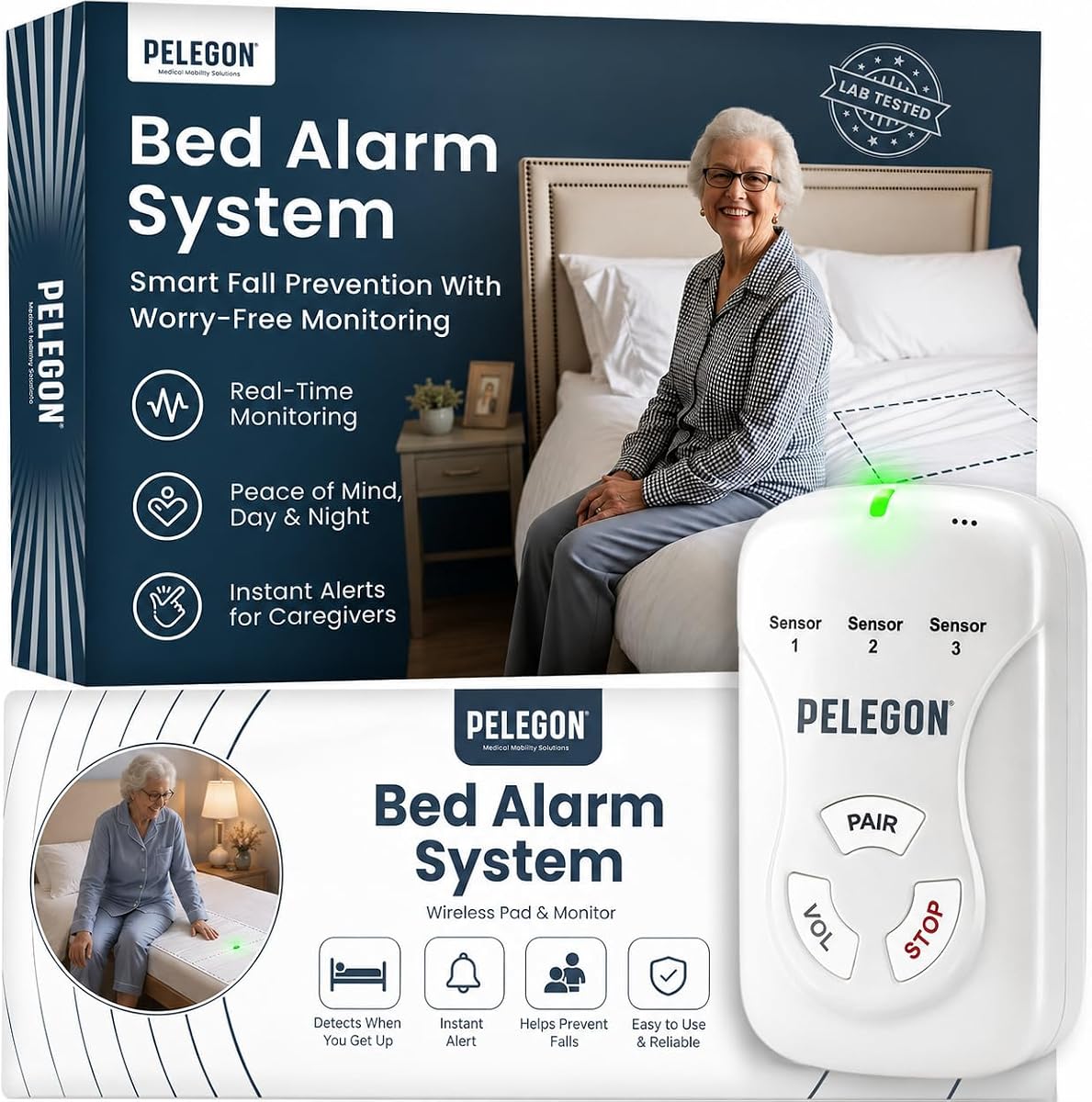
The PELEGON Bed Alarms system is a top choice for caregivers needing reliable fall prevention. With a 4.7 rating, it combines a wireless sensor pad and a long-range pager to provide timely alerts when a patient attempts to rise.
We may earn a commission when you buy through this link, at no additional cost to you.
Its standout feature is the fast response capability that detects movement before a fall occurs. The pager allows caregivers to work in other rooms while staying informed. Customizable alert modes let you choose between sound or vibration based on the time of day.
While the range is excellent, you should monitor the pager battery to ensure alerts are received consistently. The setup is straightforward, requiring no tools to place the pad under the sheet.
This system is ideal for homes where caregivers need mobility but still want to monitor sleep safety. Its balance of speed, range, and ease of use makes it the best overall choice for dementia care.
The long-range pager enables you to move freely around the home without losing contact with the patient.
This flexibility ensures continuous safety monitoring while reducing caregiver fatigue and stress.
Switch to vibration-only mode to alert others in the household without disturbing sleep patterns.
This feature is essential for shared bedrooms or quiet living spaces.
We may earn a commission when you buy through this link, at no additional cost to you.
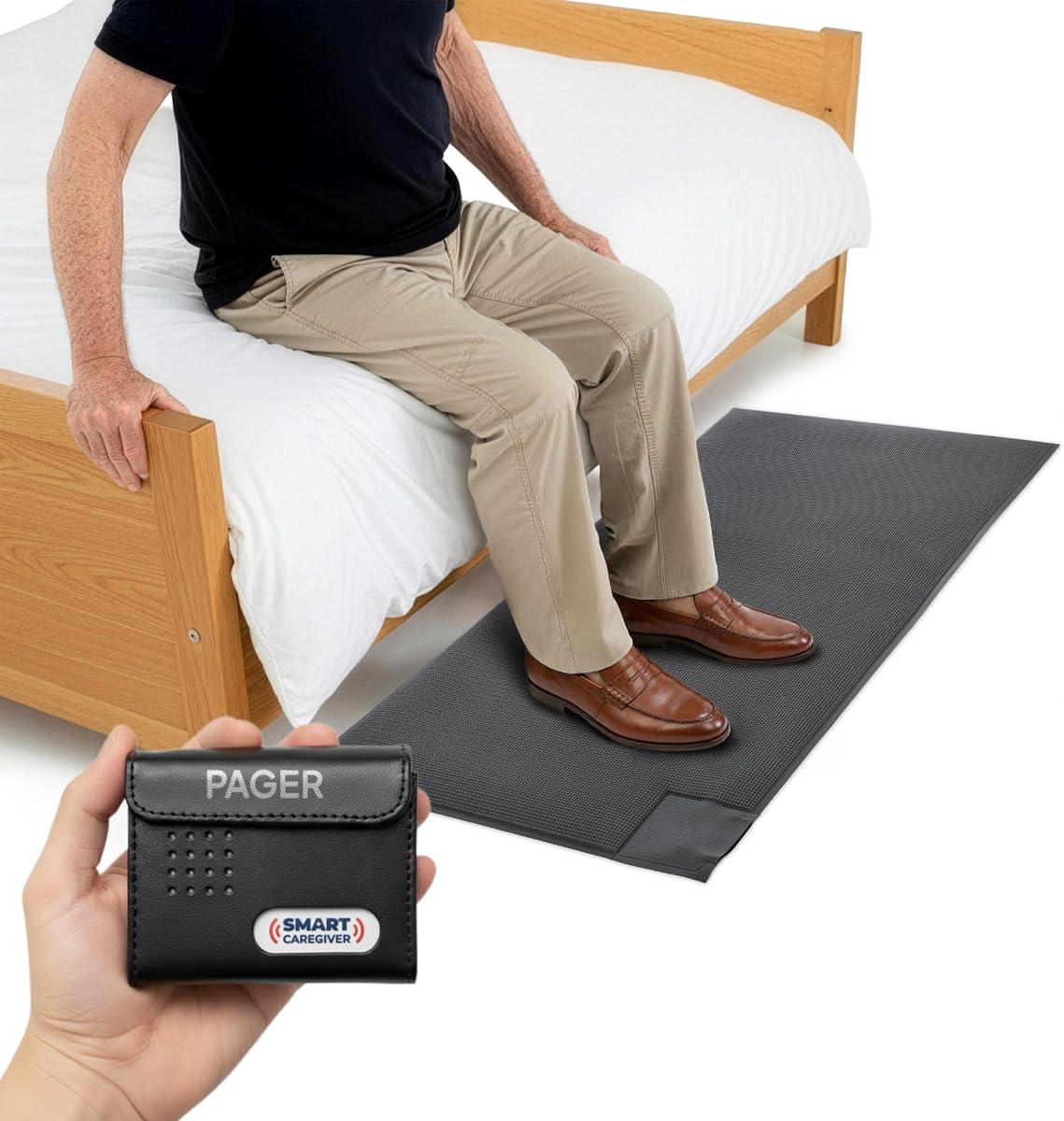
The Smart Caregiver Bed Alarm offers a cost-effective solution for monitoring patients who leave their beds. It alarms when pressure is removed, giving you immediate notice to assist. The durable vinyl pad is designed for daily use and resists incontinence damage.
We may earn a commission when you buy through this link, at no additional cost to you.
Its affordability makes it accessible for many families. The alarm can be mounted on a wall or bedside for easy access. You can choose between high and low volume settings. A silence button lets you reset the system quickly after checking on the patient.
Note that the wireless pager is an optional add-on, so without it, you hear the alarm directly in the room. This setup is simple but less discreet than fully wireless systems.
If you are on a tight budget but need reliable pressure detection, this model delivers solid performance. It is a practical choice for basic fall prevention in home care settings.
The sealed vinyl construction protects the sensor from spills and moisture.
This ensures the pad remains functional and hygienic over time.
Press the front reset button to silence the alarm instantly after checking the patient.
This reduces noise stress in shared living spaces.
We may earn a commission when you buy through this link, at no additional cost to you.
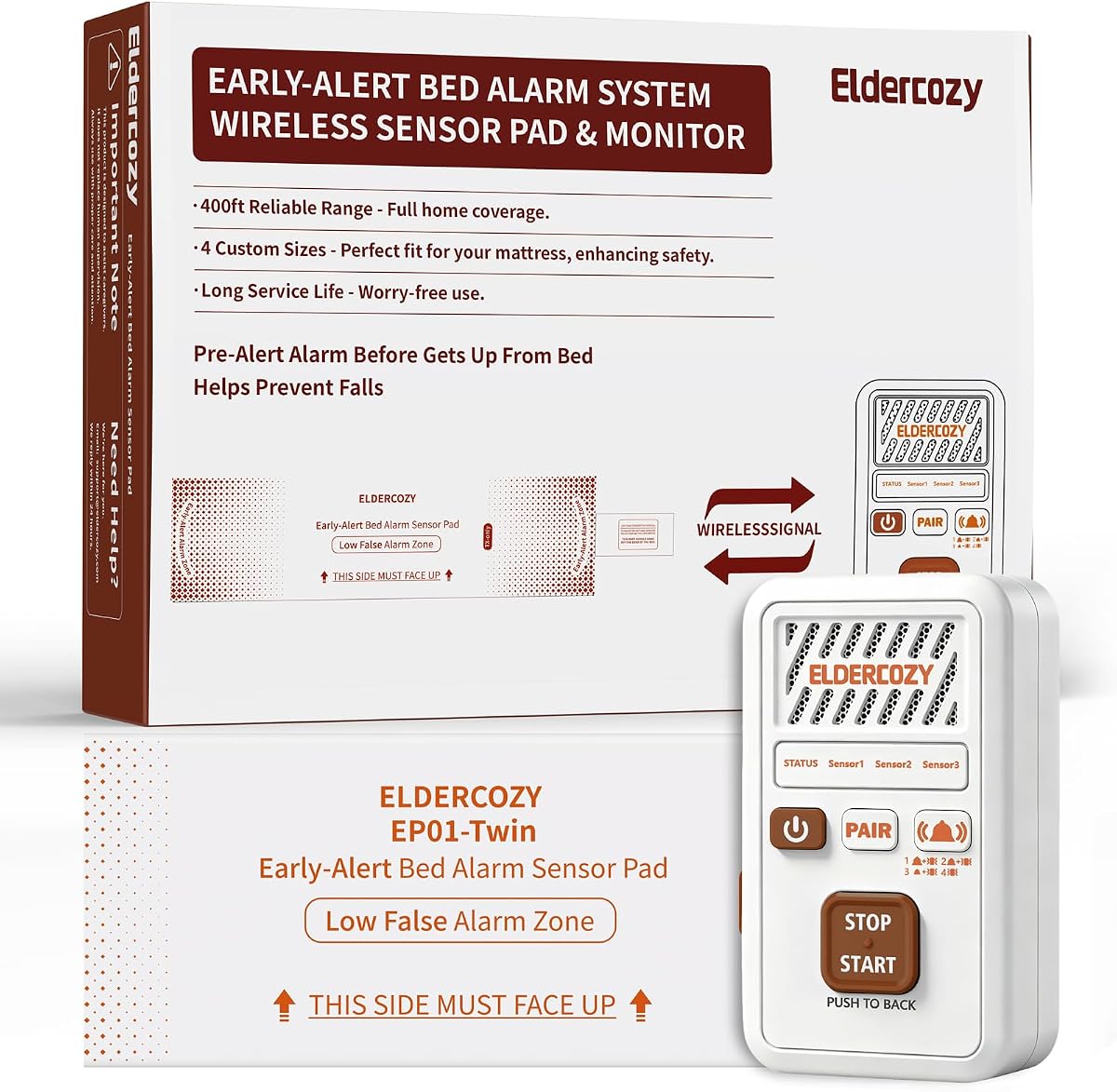
This premium system uses a soft TPU pad that doesn't make noise when patients move, ensuring better sleep. It detects the hips when a patient sits on the edge, giving an early alert before they stand. The 4.8 rating reflects its high comfort and accuracy.
We may earn a commission when you buy through this link, at no additional cost to you.
A standout feature is Caregiver Mode, which pauses the alarm for 20 minutes so you can assist without triggering alerts. You can also extend the life indefinitely by replacing batteries instead of buying new pads. The wireless range reaches up to 400 feet.
While it costs more, the comfort and reduced false alarms justify the expense. The FSA eligibility can also help offset the cost for many buyers. Setup is simple and requires no Wi-Fi connections.
Choose this if you want the highest comfort and earliest detection possible. It is designed to preserve dignity while keeping caregivers informed.
Detecting hip movement on the edge of the bed alerts you before standing occurs.
This provides critical time to assist and prevent falls.
TPU material is soft and doesn't crinkle like PVC sensors.
This minimizes noise disruptions during sleep cycles.
We may earn a commission when you buy through this link, at no additional cost to you.
This system uses a motion sensor placed on the floor rather than under the bed to detect feet touching the ground. This design avoids false alarms from movement or incontinence while sitting. It offers a 918 ft range, which is excellent for large homes.
We may earn a commission when you buy through this link, at no additional cost to you.
It includes dual power options with battery or USB charging for flexibility. The receiver features LED lights and sound alerts to ensure you see the notification. Five volume levels let you adjust for noise sensitivity.
You must test the range before final placement to ensure accuracy. The setup is simple but requires patience to align the sensor correctly. The long range makes it a strong candidate for sprawling properties.
Buy this if you need to monitor multiple rooms or large distances. It is a reliable choice for environments where bed pads might trigger too often.
By detecting foot motion on the floor, it avoids reacting to body movement in bed.
This improves trust in the alerts.
Use USB power for continuous monitoring or batteries for portability.
This ensures the device is always ready.
We may earn a commission when you buy through this link, at no additional cost to you.
This floor mat system detects when a patient steps on the weight-sensing mat next to the bed or near a door. It sends a silent vibration or sound alert to your pager. The large 24 by 48 inch mat covers significant area for detection.
We may earn a commission when you buy through this link, at no additional cost to you.
It is perfect for preventing wandering when placed at exits. The pager ensures you know about movement without loud noises in the patient room. Caregivers can move up to 300 feet away and still receive alerts.
Note that batteries are not included with the pager, so check that before installation. The mat is durable and designed for daily foot traffic. It can be placed by the bedside or doorway as needed.
Choose this if you want to monitor specific pathways or doors. It provides freedom for caregivers to handle other tasks safely while monitoring movement.
Place the mat at exit doors to prevent wandering outside the home.
This enhances security for those at risk of disorientation.
The alarm sounds in the pager not the room, reducing stress.
This maintains a calm sleeping environment for the patient.
We may earn a commission when you buy through this link, at no additional cost to you.
This system features a bed pad that alerts when pressure is removed. It is part of an expandable network allowing up to six sensors including chairs and doors. The large contact sensor helps reduce false alarms. The pager includes vibration for quiet alerts.
We may earn a commission when you buy through this link, at no additional cost to you.
The wireless setup offers flexibility for different rooms. You can use the same pager for multiple monitoring points. The design targets early detection as the patient begins to rise. It is supported by a US-based company with dedicated support.
Note that the pad connects via a cord to the monitor. Ensure you have space for the cord routing. The reliability of the large contact sensor builds trust in the system.
Select this if you plan to add sensors for other areas like chairs or doors. It is a scalable solution for complex home care setups.
Add more sensors for chairs and doors to cover the whole home.
This provides comprehensive fall prevention.
The large contact sensor ensures you are alerted reliably.
This reduces the risk of missed warnings.
We may earn a commission when you buy through this link, at no additional cost to you.
The CallToU system detects feet touching the floor with a motion sensor placed beside the bed. It offers 18 ringtones and vibration options to suit different needs. The receiver charges via Type-C which is modern and convenient. The sensor rotates to adjust angles.
We may earn a commission when you buy through this link, at no additional cost to you.
You can switch to silent mode to avoid startling the patient at night. It detects movement before the patient stands fully to provide early warning. The receiver is portable so you can take it with you around the house.
Ensure the sensor is placed correctly to detect foot movement accurately. The rotation feature helps avoid false alarms from random movements. The charging system makes it easy to maintain power.
Choose this for a modern portable option. The vibration and ringtone choices provide flexibility for different hearing preferences.
Select from 18 ringtones to match your hearing and alerts.
This ensures you recognize the notification quickly.
Rotate the sensor to aim at the floor area best.
This improves detection accuracy and reliability.
We may earn a commission when you buy through this link, at no additional cost to you.
This system is factory paired so it works immediately after inserting batteries. It supports four alert modes including LED light flashing and 113dB alarm. The range is up to 918 feet which covers large spaces. You can power the sensor with battery or USB.
We may earn a commission when you buy through this link, at no additional cost to you.
The paired setup saves time on configuration. The receiver allows you to adjust volume and brightness easily. It uses a motion sensor to detect foot movement before a fall. The design is robust for daily use.
You should test the sensor range before securing it. This ensures the signal reaches the receiver reliably. The USB option keeps the device charged if needed.
Opt for this if you want minimal setup time. The pre-pairing ensures immediate readiness for caregivers.
The factory pairing ensures you can start monitoring right away.
This removes the need for technical setup.
Use the 113dB alarm for noisy environments.
This ensures the sound is heard clearly.
We may earn a commission when you buy through this link, at no additional cost to you.
This system includes a pad for both the bed and the chair to monitor movement in both places. A phone-style clip lets you switch between them easily. The pads are sealed for incontinence protection. It alerts caregivers immediately when pressure is removed.
We may earn a commission when you buy through this link, at no additional cost to you.
The ability to monitor chairs helps prevent falls when patients try to stand up from seated. You can use one monitor for both tasks. The construction is durable and designed for daily care use.
Note the wired connection between the monitor and pads. Ensure the cords fit your room layout. The system covers multiple areas without buying extra monitors.
Choose this for comprehensive monitoring of bed and chair transitions. It is practical for patients who spend time in chairs as well as beds.
Monitor both beds and chairs with one system.
This simplifies safety management at home.
Use the clip to switch monitors between bed and chair.
This offers flexible placement options.
We may earn a commission when you buy through this link, at no additional cost to you.
This system features a large 32 by 13 inch sensor pad for better coverage. It is made of latex-free water-resistant material. The alarm triggers when pressure is removed. The pager offers music and vibration modes. Setup is simple under the sheet.
We may earn a commission when you buy through this link, at no additional cost to you.
The larger pad provides wider detection which helps ensure alerts happen even if the patient shifts position. It is designed for hygiene and durability. The pager range reaches 300 feet for good flexibility.
Note the lower rating which may reflect variability in performance. Test the sensitivity to ensure it fits your needs. The materials are easy to clean for long-term use.
Consider this if you want extra coverage area in the sensor. It is a straightforward option for those prioritizing detection range.
The wider pad ensures detection across the bed surface.
This helps catch movement at different points.
Water resistant and latex-free materials support daily cleaning.
This maintains safety and comfort.
We may earn a commission when you buy through this link, at no additional cost to you.
Selecting the right alarm involves balancing detection type, range, and alert style. We break down the essential factors to ensure you choose a reliable system for your home.
Bed pads detect pressure when a patient shifts or lifts off, while motion sensors detect foot movement or door exits. Pads are easier to install but may cause false alarms if they are too sensitive. Motion sensors avoid bed disturbances and work well for restless sleepers.
Choose a pad for simple setups or a motion sensor if false triggers are a concern.
Range determines how far the pager can be from the sensor. Look for at least 300 feet for standard homes. Larger properties may require systems with 900 foot range to ensure signal reliability.
Verify the range matches your home layout to avoid missed alerts.
Alerts can be sound, vibration, or LED lights. Vibration is crucial for shared rooms to avoid disturbing others. Adjustable volume lets you customize loudness for different hearing needs.
Opt for systems offering vibration-only modes for silent monitoring.
Long battery life ensures continuous monitoring without frequent changes. Systems with replaceable AAA batteries allow indefinite use. USB power options reduce waste and ensure constant power availability.
Check if batteries are included or sold separately before purchasing.
Incontinence protection is essential for hygiene. Look for sealed pads or waterproof materials that resist moisture damage. Durable vinyl ensures the sensor lasts longer in daily use.
Prioritize sealed sensors to maintain reliability and cleanliness.
Tool-free setup is vital for ease of use. Systems that fit under the sheet or clip easily save time. Pre-paired units reduce technical steps and ensure immediate operation.
Choose simple setups to minimize installation frustration.
If you need to monitor multiple rooms or chairs, choose a system that supports additional sensors. A single pager that connects to multiple devices offers cost efficiency.
Select expandable networks for comprehensive home coverage.
Soft pads made of TPU or foam improve sleep quality. Avoid crinkly materials that wake patients. Comfort ensures the patient stays calm while using the alarm.
Invest in comfort to maintain restful sleep routines.
Place the sensor under the fitted sheet near the hips or shoulders for bed pads. Ensure it is flat and not folded to maintain accuracy. For motion sensors, place them on the floor so feet are detected clearly.
Test the system daily by stepping on the sensor or lifting off the pad to ensure it alerts. Replace batteries when indicators show low power. Check the pager signal by moving to different rooms.
Clean pads with a damp cloth if soiled. Store devices in dry places to protect electronics. Keep cords secured to prevent tripping hazards for the patient.
Yes, bed alarms are highly effective for dementia patients as they alert caregivers before falls occur. By detecting movement early, these systems give you time to assist. This reduces the risk of injury during nighttime wandering.
Most systems are designed not to disturb the patient. Pads sit quietly under the sheet and sensors detect movement without noise. Choose vibration alerts for the caregiver to avoid waking the patient unnecessarily.
Yes, many models feature sealed sensors that resist incontinence damage. The vinyl or waterproof materials protect internal electronics from moisture. This ensures the alarm works reliably despite bathroom needs.
Wireless pagers typically work from 300 to 900 feet away. Range depends on walls and obstructions. Always test your specific setup in your home to confirm signal strength.
No, most bed alarms operate without Wi-Fi. They use simple wireless radio signals between the sensor and pager. This ensures functionality even if internet is unavailable.
Some systems are eligible for FSA or HSA funds as medical safety devices. Check with your provider for coverage details. Insurance plans vary so verify eligibility before purchase.
The top picks like PELEGON and Twin Size Wireless offer excellent balance of comfort and detection. Smart Caregiver remains a reliable budget option for basic monitoring needs.
Prioritize features like vibration alerts and false alarm reduction. Comfort and reliability should be your main concerns when selecting a system.
Prices and availability change so check current listings for the best deals. Verify specs match your home layout before finalizing your purchase.