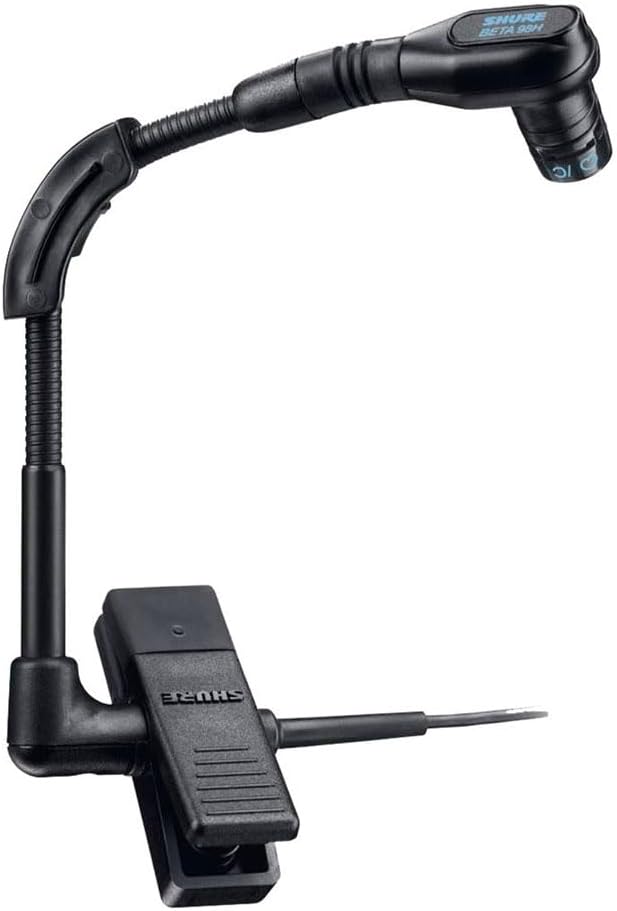
Shure BETA 98H/C
4.6Editor score
High max SPL
Transformerless preamp
Gooseneck swivel
10 ft flex cable
This guide compares the top 10 clip on saxophone microphones for live sound and recording, evaluating wireless range, audio quality, and ease of use for
Finding the right clip on saxophone microphone can transform your live performances and recording sessions. Musicians need reliable gear that captures rich tone without hindering playability or causing damage to their instruments.
We have reviewed ten top rated systems ranging from wireless solutions to wired condensers. Our analysis focuses on signal stability, frequency response, clip design, and overall value for students and professionals alike.
Each pick below highlights unique strengths and trade-offs to help you decide. Keep in mind that availability and pricing can fluctuate, so verify current stock before making your final purchase decision today.
4.6Editor score

4.7Editor score

4.6Editor score
The following table provides a side-by-side overview of all ten models. It highlights key specifications such as connection type, range capabilities, and specific instrument compatibility to assist your selection process.


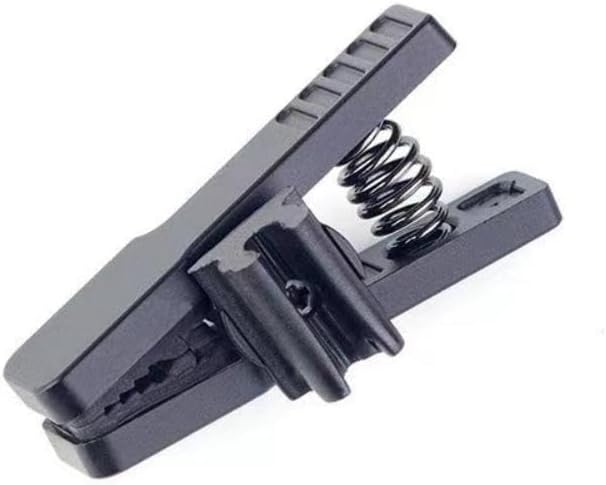


The Audio-Technica PRO 35 stands out as a top choice for musicians needing dependable sound. With a high rating and proven performance, it delivers the clarity required for saxophone solos and ensemble work.
We may earn a commission when you buy through this link, at no additional cost to you.
Its cardioid pattern effectively reduces unwanted noise from sides and rear, isolating the saxophone tone. The UniMount clip provides shock resistance and protects the instrument while allowing precise positioning for optimal pickup.
While it lacks wireless freedom, the permanent cable ensures zero latency and stable transmission. Some users may find the cable length slightly restrictive during vigorous stage movements compared to modern wireless systems.
This microphone is ideal for studio recordings or fixed stage setups where reliability is paramount. If you prioritize audio fidelity and durability over mobility, the PRO 35 remains a trusted industry standard.
The cardioid polar pattern ensures that only the desired instrument tone is captured, minimizing ambient noise from other band members or crowd chatter.
The UniMount clip allows for accurate positioning while offering shock resistance to protect the microphone element and the instrument finish from damage during transport.
We may earn a commission when you buy through this link, at no additional cost to you.
The SGPRO TR15 offers a solid wireless experience for saxophonists who need freedom on stage. It combines good range with a user-friendly interface that displays critical signal and battery information clearly.
We may earn a commission when you buy through this link, at no additional cost to you.
Its digital chip design ensures stable transmission up to 196 feet, allowing movement without signal dropouts. The gooseneck mic is made of quality bronze material for steady positioning without annoying rebound during performance.
However, the battery life is limited to about 4.5 hours, which may require planning for longer gigs. Additionally, while a charging cable is included, you must provide your own USB Type-C adapter for power.
This system works well for small venues or rehearsals where mobility is key. It is a strong contender for players wanting wireless convenience without breaking the bank on premium professional systems.
The UHF technology provides a robust connection that minimizes interference, ensuring your audio remains consistent even in environments with other wireless devices.
Designed for multiple brass types, this mic is not limited to saxophone but also suits trumpets, French horns, and trombones, making it a flexible choice for multi-instrumentalists.
We may earn a commission when you buy through this link, at no additional cost to you.
The Shure BETA 98H/C is a professional grade tool designed to handle the extreme demands of brass and woodwind instruments. Its high SPL capability ensures clean audio even when the saxophone is played loudly.
We may earn a commission when you buy through this link, at no additional cost to you.
The transformerless preamplifier improves linearity across the frequency range, delivering open and natural sound. The gooseneck with ratcheting swivel allows for precise positioning that stays fixed once adjusted.
The main trade-off is the wired connection which limits movement compared to wireless options. Also, the price is significantly higher than budget models, reflecting its professional build and industry reputation.
Ideal for touring musicians or studio engineers who demand reliability and top tier audio quality. If you need a mic that can withstand rigorous use and provide consistent results, this is a top investment.
The high maximum sound pressure level rating means the microphone will not distort even during powerful saxophone passages, preserving clarity and dynamics.
The gooseneck angle brace and ratcheting swivel joint allow for stable placement, ensuring the mic stays where you need it without slipping during play.
We may earn a commission when you buy through this link, at no additional cost to you.
This system emphasizes convenience with a massive 15-hour battery life and low latency transmission ideal for teaching or long sessions. It simplifies setup with automatic frequency hopping and pairing.
We may earn a commission when you buy through this link, at no additional cost to you.
The gooseneck is fully adjustable allowing 360 degrees of movement to capture sound from any angle. It is compatible with a wide range of instruments, making it a versatile classroom tool.
However, the overall rating is lower than competitors, suggesting potential inconsistencies in signal stability or build. Users should test carefully before relying on it for critical professional performances.
Best suited for practice rooms or educational settings where battery endurance matters. If you need a mic that lasts through multiple lessons without charging, this model offers unique value despite the trade-offs.
The built-in rechargeable battery supports up to 15 hours of continuous use, making it perfect for long days of teaching or rehearsal without interruption.
Automatic pairing means you do not need to manually sync devices, allowing you to start playing almost immediately after powering on the transmitter and receiver.
We may earn a commission when you buy through this link, at no additional cost to you.
The HHLPRO system stands out with its detachable design that separates the mic from the transmitter. This reduces weight on the saxophone allowing for more natural playing posture and comfort.
We may earn a commission when you buy through this link, at no additional cost to you.
It supports up to 32 simultaneous sets, which is excellent for orchestras or large ensembles. The one-button pairing function streamlines the setup process significantly compared to manual channel selection.
The 360 degree adjustable condenser mic captures authentic tones while minimizing instrument noise. However, the advanced features might be overwhelming for casual users who just want simple operation.
This is a great choice for band directors or orchestral players needing coordination. If you prioritize comfort and need multiple units to work together without interference, this system delivers robust performance.
The ultra-light mic clamps firmly on the sax while the transmitter clips to your strap or waist, keeping the instrument lighter and reducing fatigue.
With support for 32 sets working simultaneously, this system ensures multiple musicians can play together without frequency conflicts or interference issues.
We may earn a commission when you buy through this link, at no additional cost to you.
This model offers a compelling balance of affordability and performance for budget conscious musicians. It uses professional UHF technology to ensure reliable audio transmission without complex configuration steps.
We may earn a commission when you buy through this link, at no additional cost to you.
The universal clip design works securely with various wind instruments. You can get started in seconds by simply powering on the units, making it an excellent choice for those who value simplicity.
The range is generous at 164 feet, giving you enough freedom to move around a stage. However, it lacks advanced controls like echo or EQ adjustments that more expensive models include.
Perfect for beginners or occasional players who need a reliable wireless solution. If you want to cut wires without spending a fortune, this system provides clear sound and straightforward operation.
No drivers or software are required. Just connect the receiver to your sound system and power on the transmitter to begin playing immediately.
The adjustable gooseneck microphone clips onto the bell of your instrument ensuring optimal pickup for saxophone, french horn, trumpet, and trombone.
We may earn a commission when you buy through this link, at no additional cost to you.
This product is not a microphone itself but a clip accessory designed to hold a mic securely on your saxophone. It is a low-cost solution for players who already own a standalone mic.
We may earn a commission when you buy through this link, at no additional cost to you.
The clip is designed specifically for saxophones ensuring a secure fit without causing damage to the instrument. It simplifies the mounting process and avoids the need for bulky stands or adapters.
While not a complete audio solution, it is useful for those building their own gear setup. It does not offer sound quality or transmission capabilities since it is purely mechanical hardware.
Ideal for musicians who need a mounting solution without buying a full system. If you have a mic and just need a reliable way to attach it to your sax, this is a practical choice.
The clip provides a firm hold that keeps your microphone in place during performance, ensuring consistent sound capture without constant adjustments.
Since it lacks electronics, the price is very low, making it an accessible upgrade for those looking to improve their setup without spending much.
We may earn a commission when you buy through this link, at no additional cost to you.
This wireless system covers a broad range of instruments including horn, trumpet, sax, and even cello. It is a flexible option for multi-instrumentalists needing a single versatile mic.
We may earn a commission when you buy through this link, at no additional cost to you.
The rotatable silicone clip allows for 360 degree positioning to find the best sound source. It comes with both 1/8 and 1/4 inch plugs for compatibility with various audio equipment.
Battery life is around 4 hours which is standard but not exceptional. However, the two year warranty adds significant value and peace of mind for long term use.
Best for casual performers or students who need adaptability. If you play multiple instruments and want a simple wireless solution with warranty protection, this model is a solid consideration.
The inclusion of dual plug sizes ensures compatibility with different receivers and mixers making it easy to integrate into various setups.
A two year warranty means if the device fails, you have support to troubleshoot or replace it providing confidence in your purchase.
We may earn a commission when you buy through this link, at no additional cost to you.
The YXG system includes preset EQ and echo levels which are helpful for live performances. This allows you to add effect to your sound without needing external processing units.
We may earn a commission when you buy through this link, at no additional cost to you.
The rubber padding on the clip prevents damage to your gear. It is designed to be firm and steady without leaving marks. The LCD screen keeps you informed about battery and signal status.
While the range is 100 feet which is less than some competitors, it is often sufficient for smaller venues. The 8 hour battery life ensures you can play for an extended period without charging.
Good for vocal and instrument performances where echo is desired. If you want a self-contained system with some built-in effects and good battery endurance, this is a strong choice.
The preset echo levels allow for immediate sound enhancement during performance, reducing the need for additional hardware or complex settings adjustments.
The specially designed clip with rubber padding ensures your saxophone is not damaged during setup or removal, preserving the finish of your instrument.
We may earn a commission when you buy through this link, at no additional cost to you.
This system offers high fidelity audio with a 24-bit 48kHz sample rate suitable for streaming and recording. It supports a broad range of instruments ensuring versatility for any setup.
We may earn a commission when you buy through this link, at no additional cost to you.
The anti-slip clip with virgin rubber padding keeps the mic secure without damaging the instrument. A portable storage case is included to protect your gear during travel to gigs.
With 200 adjustable UHF channels it handles crowded environments well. However, the battery only offers 6 hours of playtime and requires 2-3 hours to charge which limits quick turnaround.
Ideal for YouTubers and streamers needing clear audio. If you prioritize recording quality and range over battery duration this system provides excellent performance for digital content creation.
The 24-bit 48kHz sample rate ensures detailed sound capture, making it suitable for professional recording or high-quality live streaming.
Included portable storage case keeps all components safe and organized, making it easy to transport your system to various locations safely.
We may earn a commission when you buy through this link, at no additional cost to you.
Selecting the right microphone requires balancing several factors to ensure it meets your specific performance needs.
Wireless systems provide freedom of movement essential for stage performances. They allow you to walk away from your amp without audio loss. However, wired systems offer zero latency and eliminate battery dependency.
Choose wireless if mobility is a priority. Choose wired if you need maximum reliability and sound fidelity for studio work.
For wireless models, the operating range is critical. You need enough distance to move comfortably on stage without the signal cutting out. Look for systems with at least 100 feet of range.
Ensure the system uses UHF or 2.4G technology for anti-interference. This ensures stable transmission even when other wireless devices are active.
Battery duration varies widely between models. Some offer 4 hours while others provide 15. Check the expected playtime to ensure it covers your longest session or gig.
Rechargeable batteries are more cost effective than disposable ones. Also, look for USB Type-C charging options for convenience.
The clip must be sturdy enough to hold the mic but gentle enough to avoid damaging your saxophone finish. Rubber padding is a key feature that protects against scratches.
Avoid clips with screws that tighten directly on the metal. Look for spring loaded or padded designs that offer a secure fit without pressure points.
Latency is the delay between sound production and playback. For live performance, low latency is vital so you hear yourself in sync. Wireless systems should aim for under 20ms.
Check the frequency response and sample rate. Higher specs like 24-bit 48kHz provide better fidelity for recording and streaming applications.
Ensure the microphone works with your specific instrument type. While many are universal, some are optimized for brass specifically. Check the compatibility list before buying.
Also consider the output connector. Most use XLR or 1/4 inch jacks. Verify your sound system inputs match the receiver output.
A complex setup process can ruin a gig. Look for systems with auto pairing or simple plug-and-play functionality. This reduces stress before a performance.
LCD screens are helpful for monitoring battery and channel status. Clear controls make on the adjustments easy without fiddling with buttons.
Musical gear often faces rough handling. Materials like metal goosenecks offer better longevity than plastic. A rugged build ensures the mic withstands drops or bumps.
Check if a warranty is included. A two year warranty is common and provides support if the electronics fail. This protects your investment over time.
Position the mic near the bell or key mechanism of your saxophone for optimal sound capture. Ensure the clip sits securely without obstructing your finger movement.
Pair the transmitter and receiver before playing. Check the signal lights to confirm a stable connection. If interference occurs, change the channel settings.
After use, remove the mic gently to avoid scratching the instrument. Store the system in the provided case to protect components from dust and physical damage.
Most quality microphones use rubber padding to prevent scratches. Avoid screw-on clips that can leave marks. Always check the clip material before purchasing to ensure it is instrument safe.
Many clip on mics are designed for brass and wind instruments. They often work well with trumpets and clarinets. Check compatibility specs to ensure proper fit and sound.
Place the mic closer to the sound source and away from speakers. Adjust the gain on your receiver to a level that is high enough for volume but low enough to prevent squealing.
UHF operates on radio frequencies with fewer channels. 2.4G uses digital signals with more channels. 2.4G is often better for crowded areas due to anti-interference hopping.
Many systems include a USB cable but not an AC adapter. You must provide your own wall charger or plug into a USB port. Check the package contents carefully.
Wired systems offer zero latency and reliability but limit movement. Wireless allows freedom but adds battery dependency. Choose based on whether mobility or simplicity is more important.
We reviewed ten distinct options ranging from professional wired condensers to versatile wireless systems. The Audio-Technica PRO 35 stands out for pure sound quality while the UHF Wireless Clip-on offers budget friendly mobility.
Prioritize the features that matter most to your playing style. If you need to move freely choose wireless with a reliable battery. If you value stability choose a wired model with a secure clip.
Prices and stock change frequently so verify details before purchasing. Investing in the right mic enhances your performance experience. Select the model that best fits your musical goals.