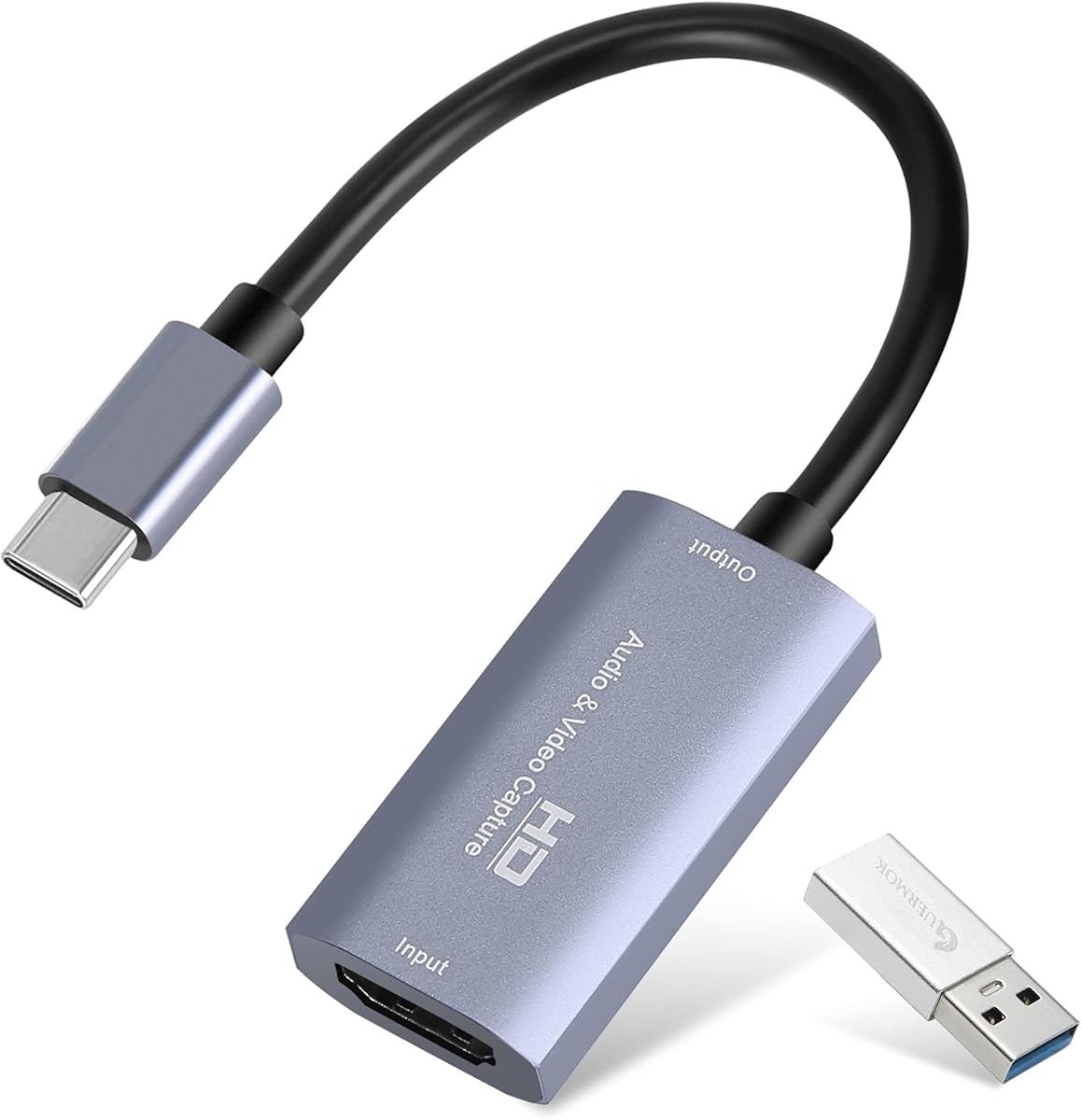
Guermok Video Capture Card, 4K USB3.0 HDMI to USB C, 1080P 60FPS & 2K 30FPS
4.4Editor score
Affordable Pricing
USB-C Interface
60FPS Output
This comprehensive guide compares the top ten capture cards compatible with Linux systems for streaming and recording gaming content effectively.
Finding a reliable capture card for Linux can be challenging due to driver compatibility issues. Many users struggle to find devices that work seamlessly with open-source software like OBS without requiring complex configuration or proprietary drivers.
We evaluated ten popular capture cards based on their Linux compatibility, video quality, latency performance, and ease of setup. Our comparison focuses on devices that support plug-and-play functionality and integrate well with common streaming tools on Linux distributions.
Each product pick highlights key features, pros, and cons to help you make an informed decision. Please note that product availability and pricing may change over time, so verify current details before purchasing your next capture device.
4.4Editor score

4.4Editor score

4.2Editor score
The following table provides a side-by-side comparison of the top ten capture cards evaluated for Linux compatibility and performance features.





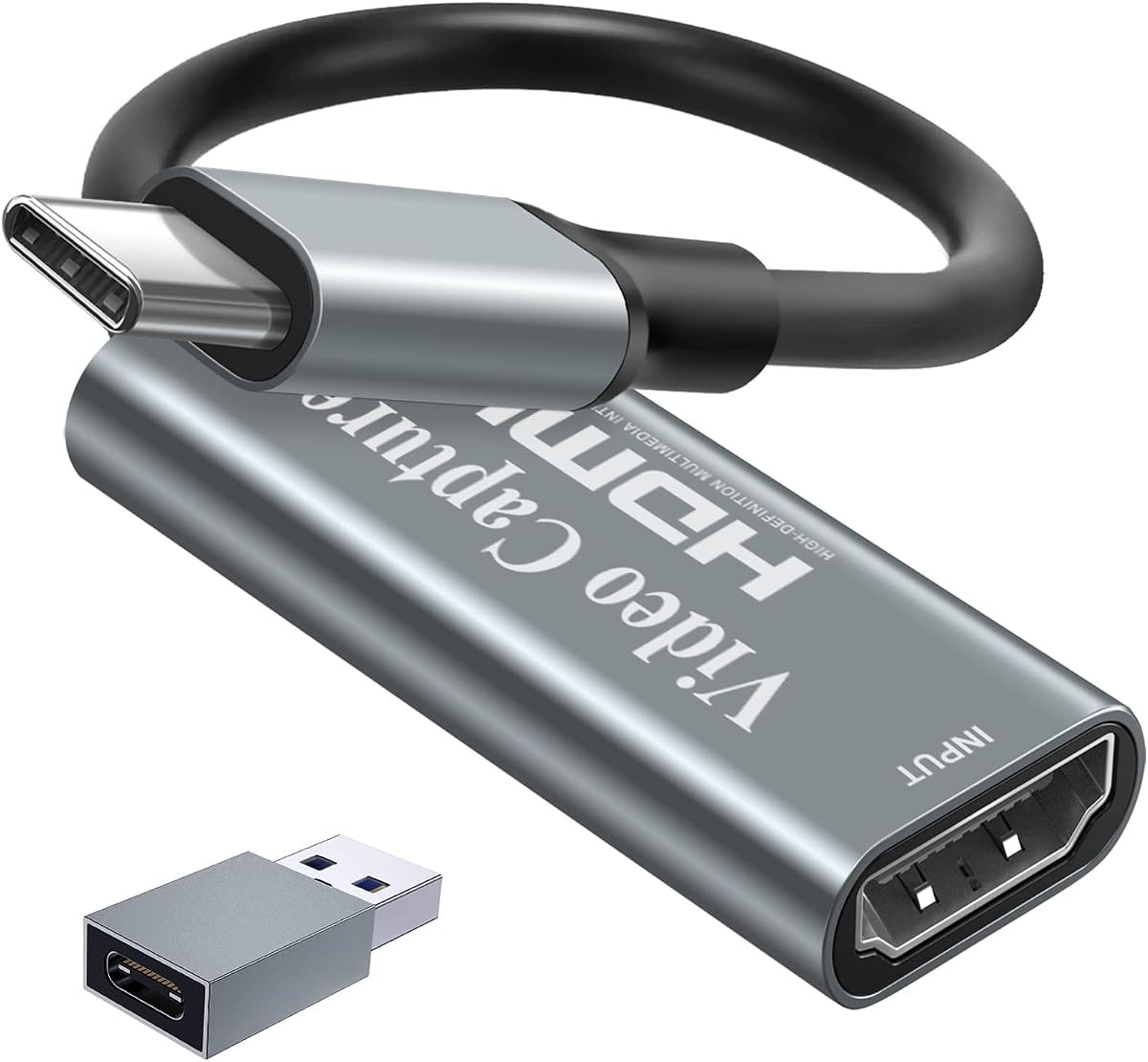
This acer capture card offers an affordable entry point for Linux users looking to stream or record content without breaking the bank. It supports 1080P output at 60Hz which is sufficient for most streaming platforms and general recording needs.
We may earn a commission when you buy through this link, at no additional cost to you.
The device features a microphone input which allows you to add commentary directly through the card. This eliminates the need for external audio interfaces and simplifies your setup significantly. The plug-and-play functionality ensures you can start capturing immediately without configuring drivers.
While the build quality is basic compared to premium options, it performs reliably for casual streaming and gaming recording. Users should note that it lacks a USB-C port which may limit compatibility with some newer laptops or tablets.
This card is ideal for students or hobbyists who need a functional capture solution on a tight budget. If you prioritize cost over advanced features, this is a solid choice for Linux environments.
The built-in mic input allows direct audio recording which streamlines your streaming setup significantly.
Plug and play functionality means no extra software installation is required on your Linux system.
We may earn a commission when you buy through this link, at no additional cost to you.
The UGREEN capture card stands out as a top choice for Linux users due to its explicit compatibility and robust performance features. It supports 4K input which preserves source quality for post-production editing needs effectively.
We may earn a commission when you buy through this link, at no additional cost to you.
Users can choose between USB-A and USB-C ports providing flexibility across different device types. The aluminum casing helps with heat dissipation ensuring stable performance during long streaming sessions without overheating issues.
While it does not support 4K at 60Hz output, the 30Hz rate is sufficient for recording gameplay footage at high resolutions. The lack of HDR features might be a drawback for users seeking the highest visual fidelity.
This device is recommended for streamers who value reliability and Linux compatibility over cutting-edge refresh rates. Its versatile connectivity options make it a future-proof choice for various setups.
Dual USB-A and USB-C ports ensure you can connect to almost any computer or laptop easily.
The sturdy aluminum casing promotes effective heat dissipation for consistent performance.
We may earn a commission when you buy through this link, at no additional cost to you.
Guermok offers a highly affordable capture card that performs well for basic streaming and recording tasks on Linux. It supports 1080P at 60FPS which is ideal for capturing smooth motion in games and video content.
We may earn a commission when you buy through this link, at no additional cost to you.
The USB-C interface makes it compatible with modern laptops and tablets without needing extra dongles. Its lightweight design allows you to carry it easily for on-the-go recording or streaming events.
Users may find that using an adapter can sometimes result in USB 2.0 speeds which limits performance. However, with proper connection setup the device delivers reliable video capture at competitive prices.
This capture card is best suited for budget-conscious creators who need essential features without unnecessary extras. It provides a solid foundation for starting a streaming channel on Linux.
Its small and lightweight build makes it perfect for traveling to gaming events or LAN parties.
Support for 60FPS output ensures smooth video quality during fast-paced gameplay recording.
We may earn a commission when you buy through this link, at no additional cost to you.
The Newhope capture card is designed for gamers who want to play without delay while recording simultaneously. It features a loop-out port that allows you to view your gameplay on a monitor while capturing via USB.
We may earn a commission when you buy through this link, at no additional cost to you.
The microphone input supports commentary directly through the card which is convenient for voice chat and streaming. This setup reduces the complexity of audio routing during live broadcasts or recorded sessions.
While the build is simple and effective it may not offer the durability of higher-end models. Linux users should ensure their distribution supports UVC drivers for optimal performance without manual configuration.
This option is recommended for casual streamers who need reliable pass-through capabilities and audio input. It balances performance and price effectively for everyday streaming needs.
Real-time loop-out allows you to play without delay while capturing content simultaneously.
Built-in mic input simplifies audio setup for commentary and live streaming.
We may earn a commission when you buy through this link, at no additional cost to you.
This capture card offers 4K input readiness which ensures your source material is captured at high fidelity. It outputs 1080P at 60FPS which is perfect for streaming to platforms that support high-definition video.
We may earn a commission when you buy through this link, at no additional cost to you.
The passthrough functionality allows you to connect your console directly to a TV while sending the signal to your PC for recording. This setup provides the best of both worlds for immersive gameplay and content creation.
Its compact design makes it easy to pack in a bag for travel or portable streaming setups. However, the build quality is average and may not withstand rough handling over extended periods.
Recommended for creators who prioritize video quality and portability over advanced features. It is a solid choice for Linux users looking for a versatile capture tool.
4K input readiness ensures you capture the highest possible quality from your source devices.
Its lightweight and portable design makes it ideal for on-the-go streaming sessions.
We may earn a commission when you buy through this link, at no additional cost to you.
UGREEN delivers another strong option with support for 2K output which balances clarity and compatibility well. It uses high-speed USB 3.0 technology to ensure low latency and stable data transfer during recording.
We may earn a commission when you buy through this link, at no additional cost to you.
The device features both USB-A and USB-C interfaces providing broad compatibility with modern laptops and desktops. EMI shielding helps maintain signal integrity and reduces the risk of interference during live streams.
While the 30Hz limit at higher resolutions might not suit competitive gamers, it is sufficient for general content creation. Linux users benefit from its driver-free operation and seamless software integration.
This capture card is a reliable choice for those who need stable performance without advanced premium features. It suits streamers who focus on recording rather than real-time competitive play.
5 Gbps transfer speed ensures low latency and reliable video streaming performance.
EMI shielding protects against interference for stable and consistent video output.
We may earn a commission when you buy through this link, at no additional cost to you.
This capture card comes with HDMI and USB cables which saves you from buying extra accessories separately. It supports headphone monitoring allowing you to listen to audio in real-time while streaming or recording.
We may earn a commission when you buy through this link, at no additional cost to you.
Linux users can rely on its plug-and-play functionality without needing complex driver installations. The package includes a user manual and warranty support which adds peace of mind for new buyers.
Some users report minor setup issues regarding audio output which may require restarting software. However overall performance is consistent and suitable for most standard streaming needs on Linux.
Recommended for beginners who want a complete kit ready to use out of the box. It offers a balanced mix of features and support for content creators.
Includes necessary cables and manuals to get started immediately without extra purchases.
Headphone monitoring allows you to sync audio properly during live streaming sessions.
We may earn a commission when you buy through this link, at no additional cost to you.
AVerMedia offers a capture card focused on ultra-low latency gaming which is vital for competitive streamers. It supports HDR passthrough allowing you to enjoy high dynamic range content on your display while recording.
We may earn a commission when you buy through this link, at no additional cost to you.
The Streaming Center software simplifies the setup process significantly for beginners. However Linux users might find proprietary software less compatible compared to open-source alternatives like OBS.
This device excels in performance and features but may require extra steps for Linux integration. It is best suited for users who prioritize gaming performance and HDR quality.
Consider this option if you value premium features and low latency despite potential OS constraints. It is a strong contender for high-end streaming setups.
Designed for minimal delay ensuring smooth gameplay during competitive streaming.
Supports HDR content so you can enjoy high dynamic range on your display.
We may earn a commission when you buy through this link, at no additional cost to you.
Papeaso provides a cost-effective solution with USB-C connectivity which simplifies connections to modern laptops. It supports 1080P at 60FPS ensuring fluid video recording for most streaming platforms.
We may earn a commission when you buy through this link, at no additional cost to you.
The device claims to have no freezing or delay which is essential for uninterrupted live broadcasts. Linux users appreciate its plug-and-play nature which avoids driver installation hassles.
Some users may need an adapter if their setup does not match the card's interface. Overall it performs well for basic needs and offers good value for money.
This option is recommended for budget-conscious streamers who need simple and reliable performance. It is a solid choice for entry-level content creation on Linux.
USB-C connectivity ensures seamless connection to modern laptops and tablets.
Designed to avoid freezing or lag during recording sessions for smooth output.
We may earn a commission when you buy through this link, at no additional cost to you.
The AVerMedia Live Gamer Ultra S is a premium capture card designed for high-end content creators and gamers. It supports 4K60 recording and HDR passthrough which ensures your footage looks stunning and vibrant.
We may earn a commission when you buy through this link, at no additional cost to you.
Features like 5.1 audio capture and VRR support cater to professionals who need advanced capabilities. Linux users can access these features through OBS workflows though setup may be more involved.
The high price point reflects its advanced specs but may not be necessary for casual users. It is an investment for those who require top-tier video and audio fidelity.
Recommended for professional streamers who demand the best recording quality and advanced features. It is a top-tier choice for dedicated content production on Linux.
Supports 4K60 and HDR for professional grade video recording and streaming.
5.1 audio capture ensures immersive sound quality for professional productions.
We may earn a commission when you buy through this link, at no additional cost to you.
Choosing the right capture card for Linux requires considering several technical factors to ensure smooth operation.
Ensure the device supports UVC drivers which are built into most Linux kernels. This avoids the need for proprietary drivers which may not be available.
Look for devices explicitly mentioned as compatible with Linux distributions in their specifications.
Decide whether you need 1080P 60FPS or higher resolutions like 2K or 4K for your streaming needs. Higher frame rates provide smoother motion in fast-paced games.
Most budget cards offer 1080P 60FPS which is sufficient for most streaming platforms and viewers.
Check if your computer has USB-A or USB-C ports to match the card's interface. USB 3.0 is recommended for high-speed data transfer and video capture.
Some cards offer both USB-A and USB-C which provides flexibility for different laptop types.
Consider if you need a microphone input for commentary during streaming. Built-in audio ports reduce the need for external interfaces and simplify setup.
Ensure the card supports audio passthrough or capture to maintain sync between video and sound.
Low latency is crucial for gaming to avoid delays between your actions and what you see. Look for cards with loop-out ports to monitor gameplay in real-time.
Hardware compression can help reduce latency during live streaming sessions effectively.
Aluminum casings help dissipate heat which prevents overheating during long recording sessions. Durability ensures the device lasts longer under regular use.
Look for compact designs if you plan to carry the card for travel or portable setups.
Verify that the card works with your preferred streaming software like OBS or XSplit. Open source support is often better for Linux users.
Avoid cards that rely solely on proprietary software which may not run on Linux natively.
Set a budget based on your needs as prices vary significantly from budget to premium models. High-end features may not be necessary for casual streamers.
Balance cost with performance to get the best value for your specific use case.
Connect the capture card to your computer using the USB cable and plug your HDMI source into the input port. Open your streaming software and add the capture card as a video source.
Adjust video settings to match your preferred resolution and frame rate for optimal performance. Ensure the audio settings are configured correctly to capture sound from your source and microphone.
Keep the device clean and avoid blocking ventilation ports to prevent overheating during extended use. Store it in a protective case when not in use to prevent physical damage.
Most modern capture cards work with UVC drivers which are built into Linux kernels. You typically do not need to install additional drivers for basic functionality.
Yes but performance may vary depending on the Pi's processing power. USB 3.0 ports are recommended for smooth video capture on Raspberry Pi.
Yes most compatible capture cards work seamlessly with OBS Studio on Linux. Ensure you select the correct device input within OBS settings.
Yes but you must disable HDCP on your console to allow video capture to function correctly.
The main difference is the connection interface. USB-C provides compatibility with modern laptops while HDMI refers to the input source connection.
Yes capture cards can be used to input video from cameras or consoles into conferencing apps like Zoom on Linux.
We have reviewed ten capture cards offering various features and price points for Linux users. Each option provides unique benefits depending on your specific streaming needs and budget.
Prioritize Linux compatibility and plug-and-play functionality to avoid unnecessary setup headaches. Consider your required resolution and frame rate when making your final decision.
Check current availability and compatibility notes before purchasing since product details may change. Choose the device that best fits your workflow and streaming goals effectively.